



















Understanding the Connection Between Nutrition and Cancer
Nutrition plays a crucial role in maintaining overall health and well-being, and emerging research continues to highlight its profound impact on cancer prevention and management.
Carcinogenic Effects of Certain Foods
Some dietary components have been identified as potential carcinogens, contributing to increased cancer risk. These include:
- Processed meats: Consumption of processed meats, such as bacon, sausages, and hot dogs, has been linked to an increased risk of colorectal cancer.
- Red meat: High intake of red meat, such as beef, pork, and lamb, has been associated with an increased risk of some cancers, including breast, prostate, and pancreatic cancer.
- Trans fats: Consuming trans fats, found in margarine, hydrogenated vegetable oils, and some processed foods, can promote cancer development by damaging cell membranes.
- Sugar and refined carbohydrates: Excessive sugar and refined carbohydrate intake can lead to obesity, a known risk factor for several types of cancer.
Protective Effects of Certain Foods
Conversely, many nutritional components have been shown to possess protective effects against cancer:
- Fruits and vegetables: Consumption of fruits and vegetables is linked to a reduced risk of numerous cancers, including lung, prostate, and breast cancer. They are rich in antioxidants, vitamins, and fiber.
- Whole grains: Whole grains provide dietary fiber, which can bind to toxins in the digestive tract and reduce cancer risk.
- Fish and seafood: Omega-3 fatty acids found in fish and seafood have anti-inflammatory and antioxidant properties that may protect against cancer.
- Turmeric: The active compound curcumin in turmeric has been shown to have anti-cancer effects, particularly against colon cancer.
Making Informed Dietary Choices
Based on the established connections between nutrition and cancer, individuals can make informed dietary choices to potentially reduce their cancer risk:
- Prioritize plant-based foods: Consume ample fruits, vegetables, and whole grains.
- Limit processed meats and red meat: Choose lean protein sources such as poultry, fish, and beans instead.
- Avoid trans fats: Opt for healthier fats like olive oil, avocado oil, and nuts.
- Moderate sugar and refined carbohydrate intake: Choose nutrient-rich whole foods over sugary drinks and processed snacks.
- Consider supplements: In some cases, supplements like vitamin D or green tea extract may be beneficial in cancer prevention, but consult with a healthcare professional before taking any supplements.
Additional Considerations:
- Individual differences: Genetic predisposition, age, and lifestyle factors can influence cancer risk, so personalized dietary advice is essential.
- Whole diet approach: It’s not isolated foods but the overall pattern of dietary intake that impacts cancer risk.
- Cooking methods: Grilling or frying meats at high temperatures can produce harmful compounds that increase cancer risk.
- Portion size and energy balance: Maintaining a healthy weight is crucial as obesity increases the risk of several types of cancer.
Conclusion:
Nutrition is a powerful factor that can significantly impact cancer risk and management. By understanding the connections between specific foods and cancer, individuals can make informed dietary choices to support their health and well-being. It’s essential to consult with healthcare professionals for personalized guidance and to consider the entire dietary pattern, individual circumstances, and lifestyle factors.## Nutrition And Cancer: Understanding The Connection And Making Informed Dietary Choices
Executive Summary
Cancer is a leading cause of death worldwide, and nutrition is now recognized as a key factor in both its prevention and treatment. A healthy diet can help reduce your risk of cancer, and it can also help you cope with the side effects of cancer treatment. But what do you need to know to make informed dietary choices?
In this article, you will learn about the connection between nutrition and cancer. You will also get tips for making healthy food choices and for managing the side effects of cancer treatment.
Introduction
Cancer is a complex disease, and there is no single dietary cure. However, research has shown that a healthy diet can help reduce your risk of cancer, as well as improve your overall health.
Frequently Asked Questions About Nutrition And Cancer
1. What are the most important nutrients for cancer prevention?
- Fruits and vegetables: Fruits and vegetables are high in antioxidants, which can help protect your cells from damage.
- Whole grains: Whole grains are a good source of fiber, which can help reduce your risk of colon cancer.
- Lean protein: Lean protein is important for building and repairing tissues.
- Healthy fats: Healthy fats, such as those found in olive oil and avocados, can help reduce inflammation.
2. What foods should I avoid if I have cancer?
- Processed meats: Processed meats, such as bacon, sausage, and hot dogs, have been linked to an increased risk of cancer.
- Red meat: Red meat is high in saturated fat, which can increase your risk of heart disease and cancer.
- Sugary drinks: Sugary drinks are high in calories and can contribute to weight gain, which is a risk factor for cancer.
- Alcohol: Alcohol consumption has been linked to an increased risk of several types of cancer, including liver cancer and breast cancer.
3. How can I make healthy dietary choices if I am undergoing cancer treatment?
- Talk to your doctor or a registered dietitian. They can help you create a diet that meets your individual needs and helps you manage the side effects of your treatment.
- Focus on nutrient-rich foods. Choose foods that are high in nutrients and low in calories and fat.
- Make small changes to your diet. Don’t try to change your entire diet overnight. Start by making small changes, such as adding a serving of fruit to your breakfast or lunch.
The Connection Between Nutrition And Cancer
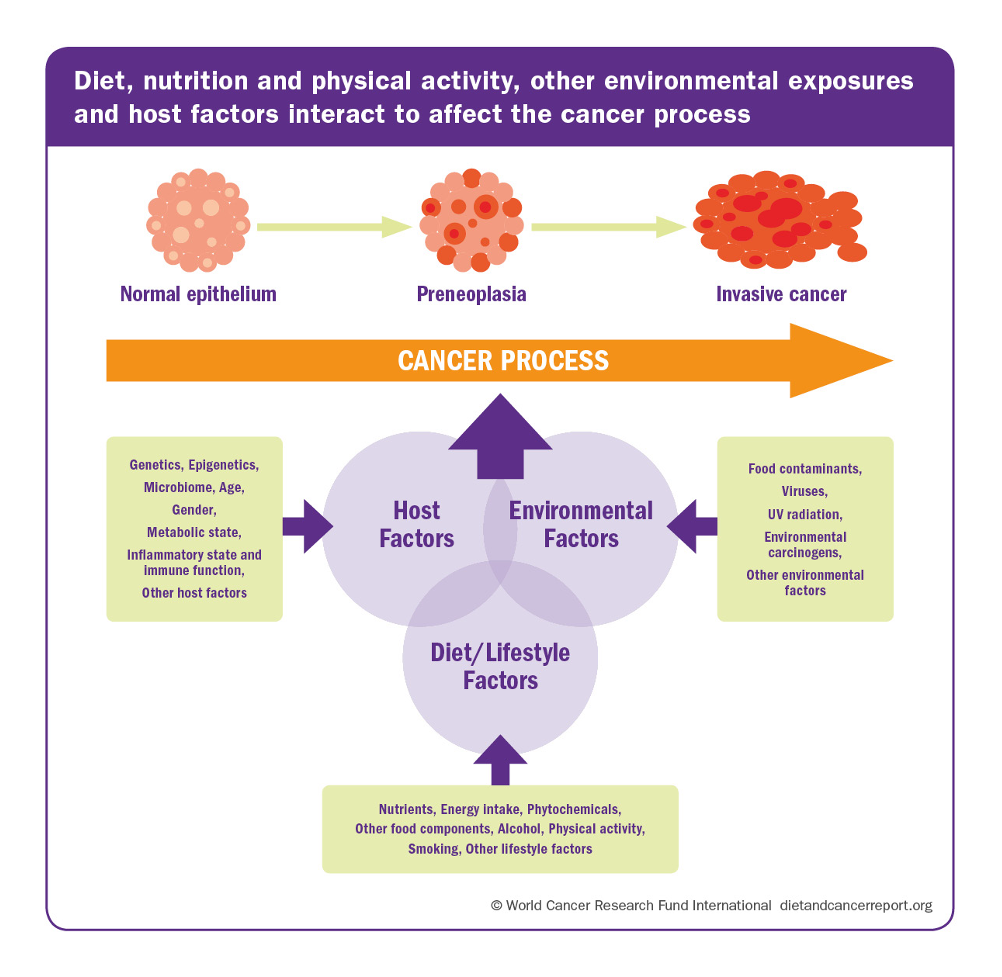
There are a number of ways in which nutrition can affect cancer risk and progression.
- Obesity: Obesity is a major risk factor for several types of cancer, including breast cancer, colon cancer, and endometrial cancer. Excess weight can increase inflammation, which can damage cells and lead to cancer.
- Diet: The foods you eat can provide your body with the nutrients it needs to fight cancer. For example, antioxidants can help protect your cells from damage, and fiber can help reduce your risk of colon cancer.
- Lifestyle: Your lifestyle choices, such as smoking and drinking alcohol, can also affect your risk of cancer.
Top 5 Subtopics Related to Nutrition and Cancer
1. The Role of Antioxidants in Cancer Prevention
Antioxidants are substances that can help protect your cells from damage. They work by neutralizing free radicals, which are unstable molecules that can damage DNA and lead to cancer.
- Sources of antioxidants: Antioxidants are found in a variety of foods, including fruits, vegetables, and whole grains. Some of the best sources of antioxidants include blueberries, strawberries, broccoli, and spinach.
- Benefits of antioxidants: Antioxidants have been shown to reduce the risk of several types of cancer, including lung cancer, stomach cancer, and prostate cancer.
- Recommended intake of antioxidants: The recommended daily intake of antioxidants varies depending on your individual needs. However, most experts recommend eating at least five servings of fruits and vegetables per day.
2. The Impact of Fiber on Colon Cancer Risk
Fiber is a type of carbohydrate that cannot be digested by the human body. It is found in plant foods, such as fruits, vegetables, and whole grains.
- Sources of fiber: Good sources of fiber include fruits, vegetables, whole grains, and legumes. Some of the best sources of fiber include beans, lentils, oatmeal, and brown rice.
- Benefits of fiber: Fiber has been shown to reduce the risk of colon cancer by binding to cancer-causing agents and preventing them from being absorbed into the body. Fiber also helps to keep you feeling full, which can help you maintain a healthy weight.
- Recommended intake of fiber: The recommended daily intake of fiber is 25 grams for women and 38 grams for men.
3. The Effects of Lean Protein on Cancer
Lean protein is a type of protein that is low in fat and cholesterol. It is found in a variety of foods, including poultry, fish, beans, and tofu.
- Sources of lean protein: Good sources of lean protein include chicken, turkey, fish, beans, lentils, and tofu.
- Benefits of lean protein: Lean protein is important for building and repairing tissues. It can also help you feel full and satisfied, which can help you maintain a healthy weight.
- Recommended intake of lean protein: The recommended daily intake of lean protein is 0.8 grams per kilogram of body weight.
4. The Importance of Healthy Fats in Cancer Prevention
Healthy fats are a type of fat that is good for your heart and your overall health. They are found in a variety of foods, including olive oil, avocados, nuts, and seeds.
- Sources of healthy fats: Good sources of healthy fats include olive oil, avocados, nuts, seeds, and fatty fish.
- Benefits of healthy fats: Healthy fats can help reduce inflammation, which can damage cells and lead to cancer. They can also help you absorb fat-soluble vitamins, such as vitamin A, vitamin D, and vitamin E.
- Recommended intake of healthy fats: The recommended daily intake of healthy fats is 20-35% of your total calories.
5. The Link Between Alcohol Consumption and Cancer Risk
Alcohol consumption has been linked to an increased risk of several types of cancer, including liver cancer and breast cancer.
- How alcohol increases cancer risk: Alcohol can damage DNA and increase inflammation, which can both lead to cancer. Alcohol can also interfere with the metabolism of some cancer-causing agents, making them more harmful.
- Recommended intake of alcohol: The recommended daily intake of alcohol is no more than two drinks per day for women and three drinks per day for men.
Conclusion
Nutrition is a complex topic, and there is no single dietary solution that is right for everyone. However, by making healthy food choices and following the advice of your doctor or a registered dietitian, you can reduce your risk of cancer and improve your overall health.
Relevant Keyword Tags
- Nutrition
- Cancer
- Diet
- Cancer prevention
- Healthy eating
