



















Physical Activity and Cancer
Introduction:
Cancer remains a leading cause of morbidity and mortality worldwide. Physical activity has emerged as a crucial factor in both cancer prevention and treatment, offering promising benefits.
Cancer Prevention:
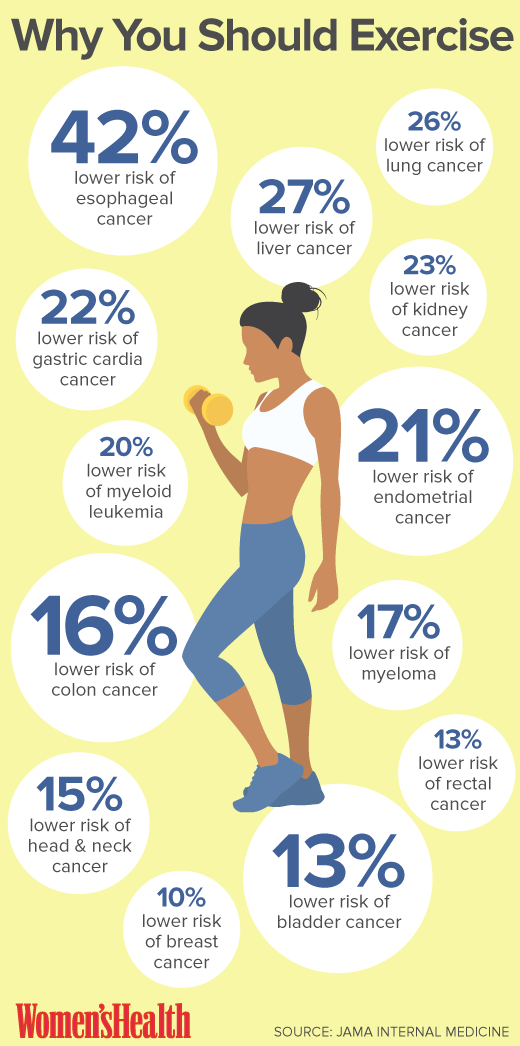
- Reduced Risk of Colorectal Cancer: Regular physical activity reduces the risk of colorectal cancer by 10-25%.
- Breast Cancer: Moderate-intensity exercise for 3 hours per week may reduce the risk of breast cancer by 15-20%.
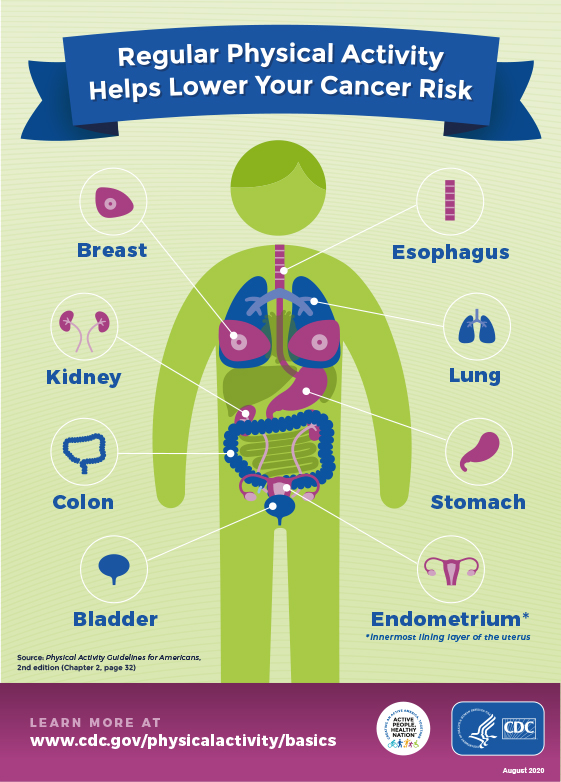
- Other Cancers: Physical activity may also lower the risk of several other cancers, including lung, prostate, and endometrial cancer.
Mechanisms of Action:
Physical activity exerts its protective effects against cancer through various mechanisms:
- Hormonal Balance: Exercise modulates estrogen and insulin levels, which are associated with breast and colorectal cancer.
- Inflammation Reduction: Physical activity reduces chronic inflammation, which is a key factor in cancer development.
- Immune System Enhancement: Exercise strengthens the immune system, improving its ability to recognize and eliminate cancer cells.
- Body Fat Reduction: Obesity increases cancer risk. Physical activity helps maintain a healthy weight.
Cancer Treatment:
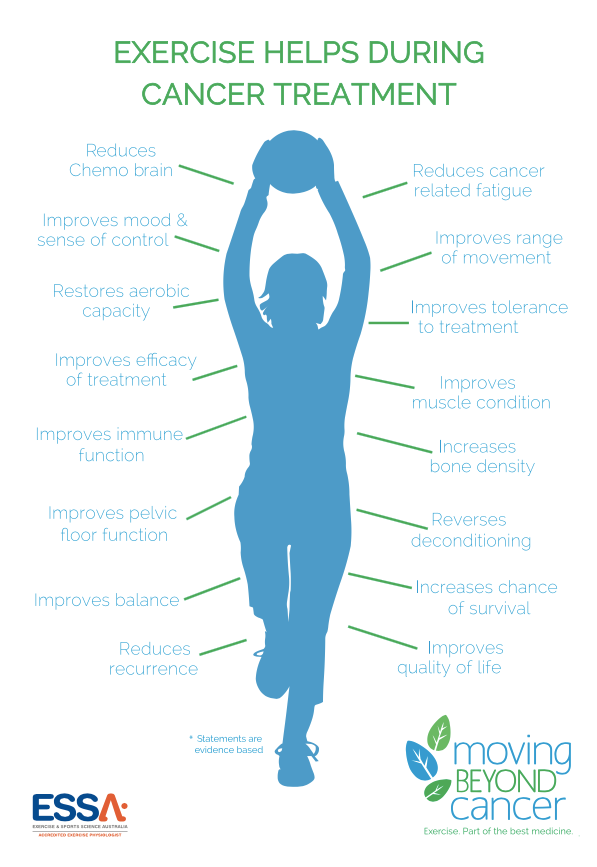
- Improved Survival and Quality of Life: Physical activity during and after cancer treatment can improve survival rates and reduce symptoms such as fatigue, anxiety, and depression.
- Reduced Treatment Side Effects: Exercise can mitigate the adverse effects of chemotherapy and radiation, such as muscle weakness and nausea.
- Enhanced Recovery: Physical activity supports faster recovery from surgery and hospitalization.
Recommended Physical Activity Levels:
- Cancer Prevention: Aim for at least 150 minutes per week of moderate-intensity physical activity, such as brisk walking or cycling.
- Cancer Treatment: Engage in physical activity as prescribed by your healthcare provider during and after treatment. This may include supervised exercise programs or home-based exercises.
Considerations:
- Start slowly and gradually increase activity levels as tolerated.
- Choose activities that are enjoyable and sustainable.
- Listen to your body and rest when needed.
- Consult with your healthcare provider before starting a new exercise program if you have any underlying health conditions.
Conclusion:
Physical activity plays a vital role in both cancer prevention and treatment. By incorporating regular physical activity into their lifestyle, individuals can significantly reduce their cancer risk, improve treatment outcomes, and enhance their overall well-being. Healthcare providers should strongly encourage physical activity as a key component of a comprehensive cancer care plan.## Physical Activity and Cancer: The Importance of Exercise in Cancer Prevention and Treatment
Executive Summary
Physical activity plays a pivotal role in cancer prevention and treatment, offering a wealth of benefits to individuals affected by the disease. Engaging in regular exercise has been associated with a reduced risk of developing certain types of cancer and improved outcomes for cancer patients. This article highlights the crucial role of physical activity in cancer care, exploring its benefits, mechanisms of action, and recommendations for incorporation into prevention and treatment plans.
Introduction
Cancer is a complex and multifaceted disease that affects millions worldwide. While genetic and environmental factors contribute to cancer development, lifestyle choices also play a significant role. Ample evidence suggests that regular physical activity can significantly impact cancer risk and prognosis. This article delves into the intricate relationship between physical activity and cancer, providing a comprehensive understanding of its preventive and therapeutic effects.
FAQs
-
What types of cancer can physical activity prevent?
Physical activity has been linked to a reduced risk of several types of cancer, including colon cancer, breast cancer, and lung cancer. -
How does physical activity help in cancer treatment?
Exercise can improve physical and mental well-being, reduce treatment side effects, and enhance the effectiveness of cancer therapies. -
How much physical activity is recommended for cancer patients?
The American Cancer Society recommends at least 150 minutes of moderate-intensity exercise or 75 minutes of vigorous-intensity exercise per week.
Subtopics
Cancer Prevention
Regular physical activity has been associated with a decreased risk of developing various types of cancer.
- Reduced inflammation: Exercise helps reduce chronic inflammation, a significant risk factor for cancer development.
- Improved immune function: Exercise strengthens the immune system, enhancing the body’s ability to fight off cancer cells.
- Body weight management: Maintaining a healthy weight reduces the risk of obesity-related cancers, such as colon and breast cancer.
Cancer Treatment
Physical activity has shown promising benefits for cancer patients undergoing treatment.
- Enhanced treatment tolerability: Exercise helps reduce treatment side effects such as fatigue, nausea, and pain.
- Improved physical fitness: Exercise builds strength and endurance, improving overall well-being and reducing hospitalizations.
- Reduced risk of treatment-related complications: Regular exercise may lower the risk of treatment-related complications, such as lymphedema and cardiovascular disease.
Mechanisms of Action
Physical activity exerts its anti-cancer effects through various mechanisms.
- Hormonal changes: Exercise influences hormone levels, reducing the risk of hormone-sensitive cancers.
- Altered cell metabolism: Exercise promotes changes in cell metabolism, making them less vulnerable to cancer development.
- Improved DNA repair: Physical activity enhances DNA repair mechanisms, protecting against cancer-causing mutations.
Recommendations for Exercise
- Start gradually and consult with a healthcare professional before starting an exercise program.
- Choose activities that are enjoyable and sustainable.
- Aim for at least 150 minutes of moderate-intensity or 75 minutes of vigorous-intensity exercise per week.
- Incorporate a variety of exercises, including aerobic activities, strength training, and flexibility exercises.
Conclusion
Physical activity is an indispensable component of a holistic approach to cancer prevention and treatment. By reducing cancer risk, improving treatment outcomes, and enhancing overall well-being, regular exercise empowers individuals to take an active role in their health journey. Healthcare professionals and cancer survivors alike should prioritize physical activity as a vital part of cancer care, recognizing its profound and multifaceted benefits.
Keyword Tags
- Cancer prevention
- Cancer treatment
- Physical activity
- Exercise
- Health and well-being
