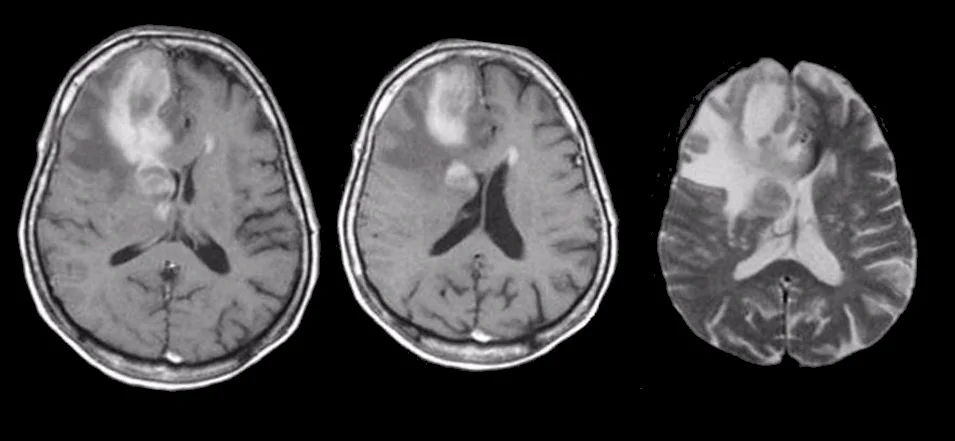
Navigating the PCNSL Maze: From Diagnosis to Treatment. Alright, my friends, now that we’ve covered the basics of primary CNS lymphoma, let’s roll up our sleeves and delve into the nitty-gritty of diagnosis and treatment. I know this can be a stressful and overwhelming time, but remember, knowledge is your best ally. The more you understand about the process, the better equipped you’ll be to make informed decisions and advocate for yourself or your loved one.
Unmasking PCNSL: The Diagnostic Journey
Picture this: You’re experiencing some worrisome symptoms – maybe persistent headaches, unexplained confusion, or even changes in your personality. Your doctor suspects PCNSL, but how do they confirm it?
It’s a bit like detective work, really. Doctors will typically start with a thorough neurological exam to assess your brain function. Then, they’ll likely order some imaging tests, like an MRI or CT scan, to get a closer look at your brain and spinal cord. These scans can reveal any suspicious masses or lesions.
But the real clincher is often a lumbar puncture, also known as a spinal tap. This procedure involves collecting a small sample of cerebrospinal fluid (CSF), the liquid that cushions your brain and spinal cord. Analyzing the CSF can reveal telltale signs of lymphoma cells.
In some cases, a biopsy might also be necessary. This involves removing a small sample of tissue from the suspected tumor for further examination under a microscope. It’s the most definitive way to diagnose PCNSL.
Now, here’s the tricky part: PCNSL can sometimes mimic other conditions, like multiple sclerosis or infections. That’s why it’s crucial to have a team of experienced specialists on your side. Neurologists, oncologists, radiologists, and pathologists often work together to make an accurate diagnosis and develop the best treatment plan.
Charting Your Course: Treatment Options for PCNSL
Okay, let’s talk treatment. I won’t sugarcoat it – the treatment for PCNSL can be intense. But the good news is that there are effective options available, and research is constantly evolving to find new and better therapies.
The cornerstone of PCNSL treatment is usually high-dose methotrexate (HD-MTX) chemotherapy. This powerful drug can penetrate the blood-brain barrier and directly target lymphoma cells in the brain. It’s often given intravenously, sometimes in combination with other chemotherapy drugs.
Now, I know what you’re thinking: chemotherapy sounds scary. And yes, it can come with some side effects, like fatigue, nausea, and hair loss. But remember, it’s also a lifesaving treatment that can significantly improve your prognosis. Your medical team will work closely with you to manage any side effects and ensure your comfort throughout the process.
If HD-MTX isn’t a viable option, there are other chemotherapy regimens that can be considered. Radiation therapy may also be used, especially after chemotherapy, to consolidate treatment and reduce the risk of recurrence.
And the exciting news? Researchers are constantly exploring new and innovative treatments for PCNSL, such as targeted therapy and immunotherapy. These therapies are designed to specifically target cancer cells while sparing healthy tissues, potentially leading to fewer side effects and better outcomes.
Remember, every patient is unique, and the best treatment plan for you will depend on a variety of factors, including your age, overall health, and the specific characteristics of your tumor. Your medical team will work with you to develop a personalized approach that’s tailored to your individual needs and goals.
Stay Tuned for Part 3:
In the final part of this series, we’ll delve into the importance of supportive care, explore ongoing research efforts, and answer some of your most frequently asked questions about PCNSL.