



















Immunotherapy for Childhood Cancers: A Promising Treatment Advance
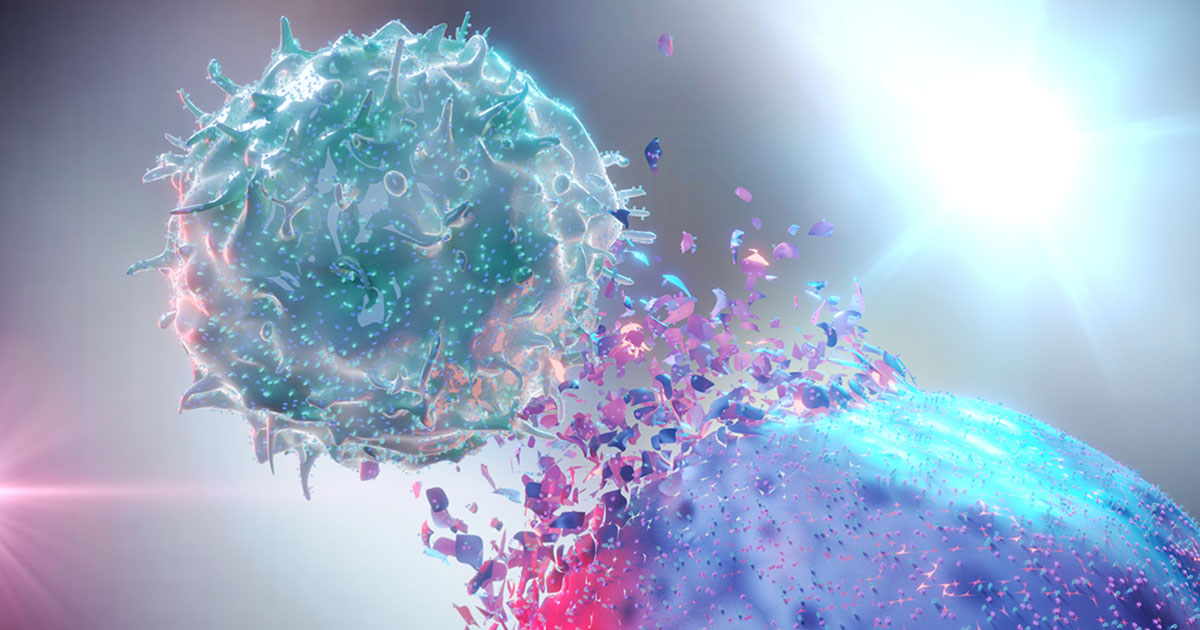
Childhood cancers present unique challenges, often requiring aggressive treatments that can have severe long-term effects. Immunotherapy offers a promising alternative or complement to traditional therapies, harnessing the body’s own immune system to fight cancer.
What is Immunotherapy?
Immunotherapy is a type of cancer treatment that stimulates the immune system to recognize and destroy cancer cells. It involves using biological substances, such as antibodies, cytokines, and immune cells, to enhance the immune response against cancer.
Types of Immunotherapy for Childhood Cancers
Various types of immunotherapy are used for childhood cancers, including:
- Monoclonal antibodies: These antibodies specifically target proteins on cancer cells, blocking their growth or triggering the immune system to attack them.
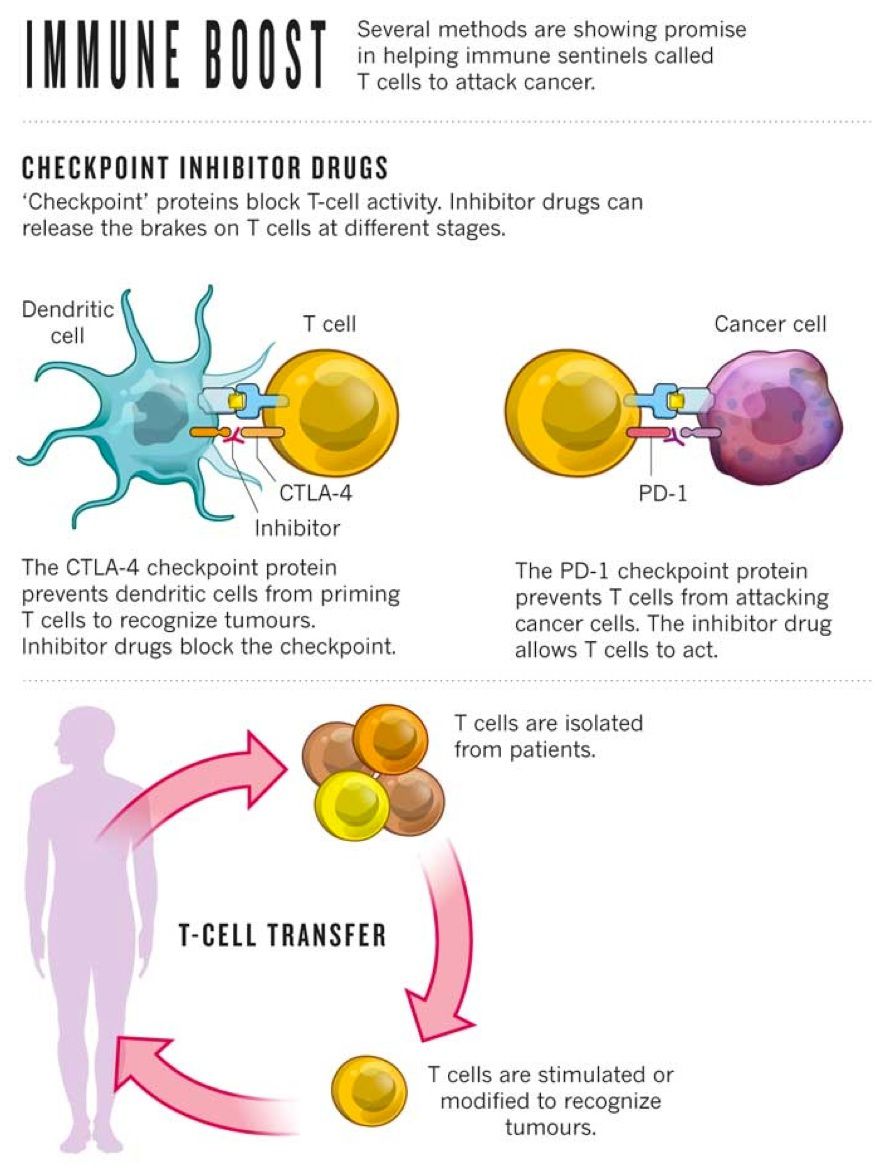
- Immune checkpoint inhibitors: These drugs block immune checkpoints, molecules that can suppress the immune response, allowing immune cells to target cancer more effectively.
- T-cell therapies: These therapies involve modifying T cells (a type of immune cell) to enhance their ability to recognize and destroy cancer cells.
- Oncolytic viruses: These viruses are genetically engineered to infect and kill cancer cells, triggering an immune response.
Benefits of Immunotherapy
Immunotherapy offers several potential benefits for childhood cancers:
- Targeted treatment: It specifically targets cancer cells, minimizing damage to healthy tissues.
- Long-term effects: Immunotherapy can induce long-term memory responses, providing sustained protection against cancer recurrence.
- Synergistic effects: Immunotherapy can enhance the effectiveness of other treatments, such as chemotherapy and radiation.
- Reduced side effects: Immunotherapy often causes fewer side effects compared to traditional treatments.
Challenges of Immunotherapy
Despite its promising nature, immunotherapy also presents several challenges:
- Response rates: Not all patients respond to immunotherapy, and response rates can vary depending on the type of cancer and individual patient characteristics.
- Cost: Immunotherapy can be expensive, and access to treatment may be limited.
- Long-term safety: The long-term safety profile of immunotherapy is still being studied, and potential immune-related toxicities need to be carefully monitored.
Current Research and Future Directions
Extensive research is ongoing to improve the efficacy and safety of immunotherapy for childhood cancers. This includes:
- Developing new immunotherapy strategies to target specific cancer types.
- Combining immunotherapy with other treatments to enhance effectiveness.
- Identifying biomarkers to predict patient responses to immunotherapy.
- Monitoring long-term outcomes and developing strategies to manage potential toxicities.
Conclusion
Immunotherapy holds immense promise as a transformative treatment option for childhood cancers. Its ability to harness the body’s own immune system to fight cancer offers significant potential benefits, including targeted treatment, long-term protection, and reduced side effects. Ongoing research and clinical trials aim to optimize the use of immunotherapy, further improving outcomes for children battling cancer.## Immunotherapy For Childhood Cancers: A Promising Treatment Option
Executive Summary
Immunotherapy is a groundbreaking treatment approach that harnesses the power of the body’s immune system to fight cancer. In children, immunotherapy has shown remarkable promise, offering hope for improved outcomes and long-term survival. This comprehensive guide delves into the nuances of immunotherapy for childhood cancers, empowering readers with a deeper understanding of this cutting-edge therapy.
Introduction
Childhood cancers are a devastating reality, but the advent of immunotherapy has ignited a beacon of hope. This innovative treatment strategy utilizes the body’s natural defenses to target and eliminate cancer cells, revolutionizing the approach to pediatric oncology.
FAQs
What is immunotherapy?
Immunotherapy stimulates the body’s immune system to recognize and attack cancer cells. By enhancing the body’s own defense mechanisms, immunotherapy offers a personalized and targeted approach to treating cancer.
How does immunotherapy differ from traditional treatments?
Unlike chemotherapy and radiation therapy, which can indiscriminately target healthy cells, immunotherapy specifically targets cancer cells, minimizing harmful side effects and preserving healthy tissues.
What are the benefits of immunotherapy in childhood cancers?
Immunotherapy offers several advantages for children with cancer, including:
- Improved overall survival rates
- Remission in previously incurable cases
- Reduced need for harsh treatments like chemotherapy and radiation
- Enhanced quality of life
Subtopics
Types of Immunotherapy for Childhood Cancers
- Checkpoint inhibitors: These therapies block inhibitory signals on immune cells, unleashing their ability to recognize and attack cancer cells.
- Atezolizumab
- Pembrolizumab
- Nivolumab
- CAR T-cell therapy: Genetically modified T cells are engineered to express receptors that recognize specific antigens on cancer cells, leading to targeted destruction.
- Tisagenlecleucel
- Axicabtagene ciloleucel
- Brexucabtagene autoleucel
- Oncolytic viruses: These viruses selectively infect and replicate within cancer cells, triggering an immune response against the tumors.
- Talimogene laherparepvec
- Reovirus
- Vaccinia virus
- Cancer vaccines: These vaccines stimulate the immune system to recognize and attack specific cancer-associated antigens.
- Sipuleucel-T
- PROSTVAC
- GVAX
- Immune modulators: These agents enhance the overall function of the immune system, boosting its ability to fight cancer.
- Lenalidomide
- Pomalidomide
Clinical Trials for Childhood Cancers
Immunotherapy is an active area of research, with numerous clinical trials underway to evaluate its efficacy in various childhood cancers. These trials provide opportunities for children to access cutting-edge treatments and contribute to ongoing scientific advancements.
Side Effects of Immunotherapy
As with any medical intervention, immunotherapy can have potential side effects. These may include:
- Flu-like symptoms
- Gastrointestinal issues
- Fatigue
- Autoimmune reactions
- Rare but serious side effects like organ dysfunction
Future Directions
The future of immunotherapy for childhood cancers holds immense promise. Ongoing research focuses on:
- Developing more effective and personalized therapies
- Combining immunotherapy with other treatments
- Predicting and managing potential side effects
- Enhancing the understanding of immune responses to cancer
Conclusion
Immunotherapy has emerged as a transformative treatment option for children with cancer, offering hope for improved outcomes and better quality of life. With ongoing advancements and research, the future of immunotherapy in pediatric oncology is indeed bright. Parents, caregivers, and healthcare professionals should stay abreast of this promising treatment strategy and its potential benefits for children facing the challenges of cancer.
Keyword Tags
- Childhood Cancers
- Immunotherapy
- Checkpoint Inhibitors
- CAR T-cell Therapy
- Clinical Trials
