



















Challenges of Childhood Cancer Treatment
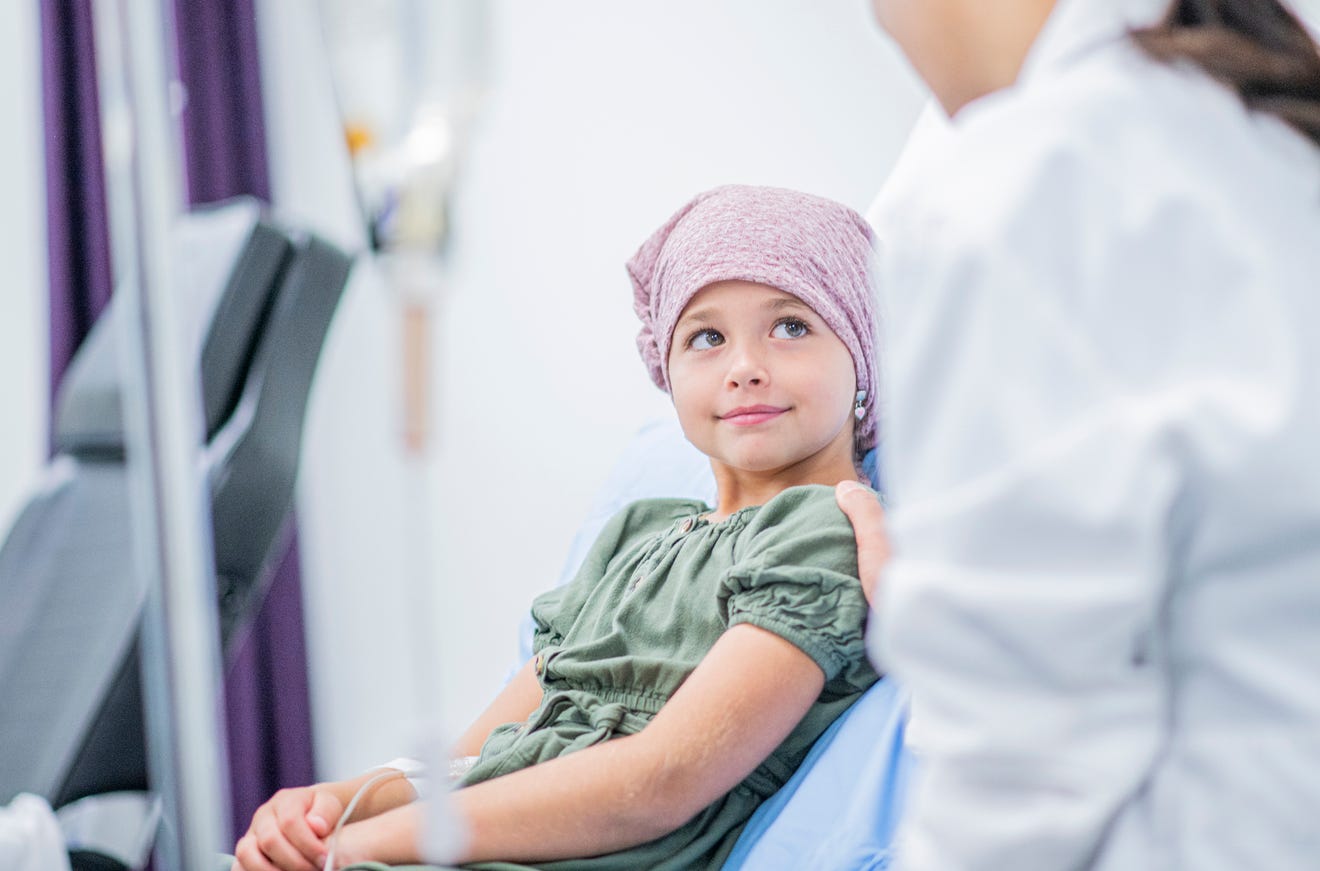
Childhood cancer treatment presents unique challenges that impact not only the child but also their family and the healthcare team involved. These challenges include:
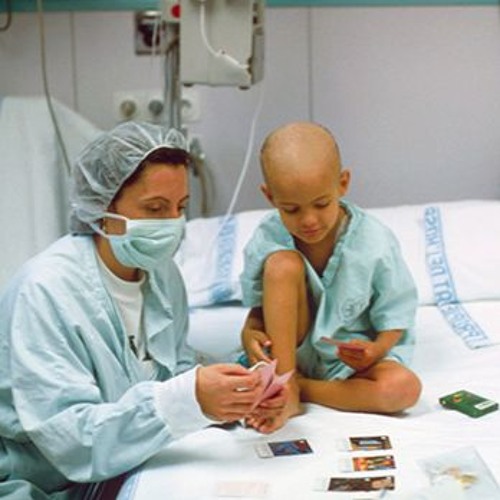
Physical Challenges:
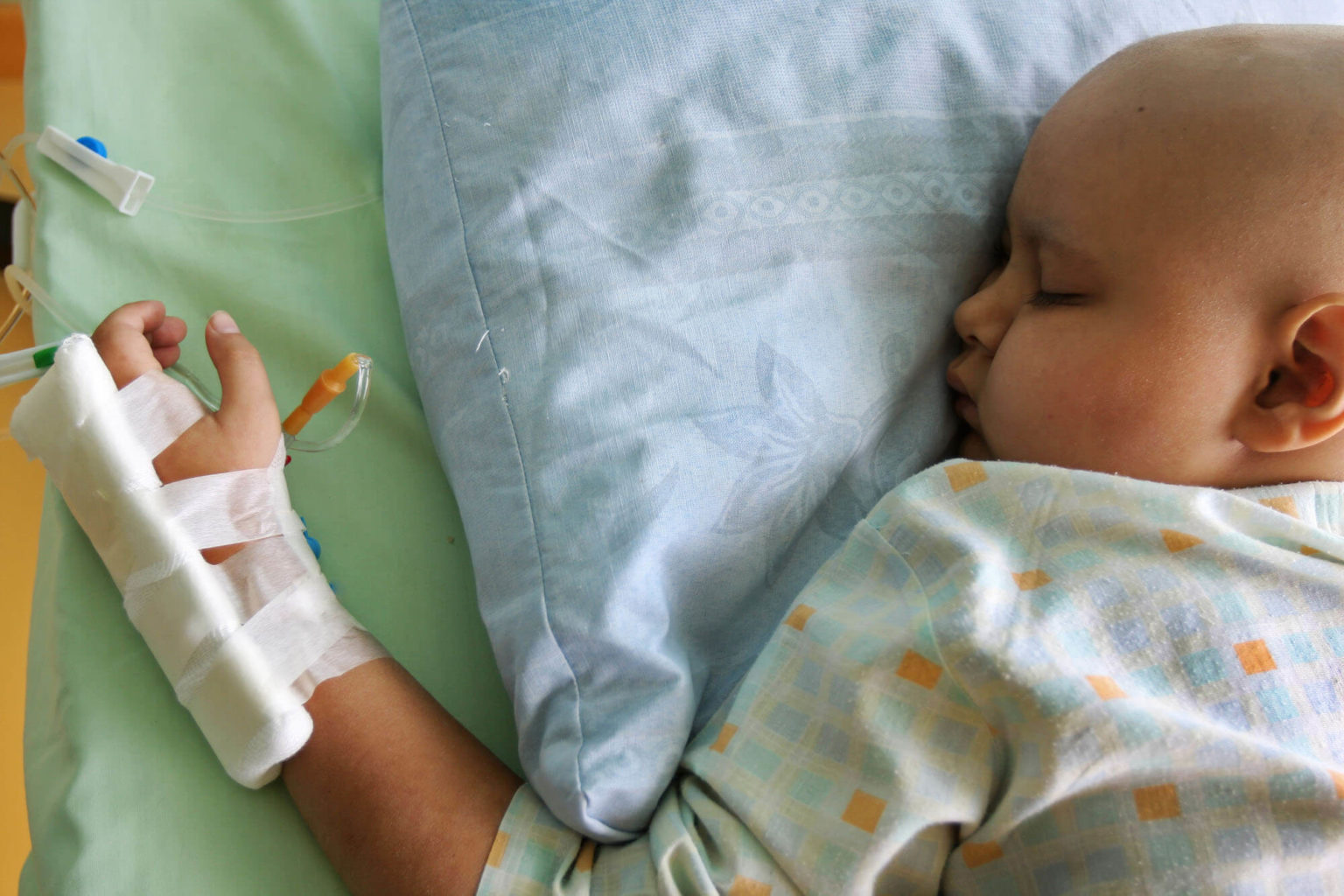
- Toxicities: Chemotherapy and radiation therapy can damage healthy tissues, leading to side effects such as nausea, vomiting, fatigue, hair loss, and organ damage.
- Growth and Development: Treatment can interfere with normal growth and development, affecting height, weight, puberty, and cognitive function.
- Long-Term Health Effects: Some treatments can increase the risk of developing secondary cancers and other health issues later in life.
Psychological Challenges:
- Emotional Distress: Diagnosis and treatment can cause significant emotional distress for both the child and their family.
- Fear and Uncertainty: Children may experience fear, anxiety, and uncertainty about their illness and treatment.
- Social Isolation: Treatment can disrupt social activities and relationships, leading to feelings of isolation and loneliness.
Educational Challenges:
- Absenteeism from School: Frequent hospitalizations and treatments can significantly disrupt school attendance.
- Academic Difficulties: Treatment-related side effects can affect concentration, memory, and learning abilities.
- Special Education Needs: Some children may require additional support or accommodations due to learning difficulties or cognitive impairments.
Family Challenges:
- Emotional Burden: Parents and siblings may experience intense emotions and stress throughout the treatment journey.
- Financial Burden: Cancer treatment can be costly, burdening families financially.
- Time Constraints: Treatments can require extensive hospital stays and appointments, making it difficult for parents to balance their responsibilities.
- Relationship Strain: The stress of caring for a sick child can impact relationships within families.
Healthcare Team Challenges:
- Communication: Effective communication is crucial between healthcare providers, patients, and families.
- Ethical Considerations: Treatment decisions often involve ethical dilemmas and discussions about the balance between risks and benefits.
- Complex Medical Needs: Childhood cancers can be complex, requiring specialized expertise and collaboration among different medical disciplines.
- Burnout: The demanding nature of childhood cancer care can lead to burnout among healthcare professionals.
Additional Challenges:
- Access to Care: Disparities in healthcare access can affect the quality and outcomes of treatment.
- Supportive Services: Limited access to supportive services, such as counseling, financial assistance, and transportation, can worsen the burden on patients and families.
- Long-Term Survivorship: Childhood cancer survivors may face unique challenges related to physical, psychological, and social well-being.Understanding The Challenges Of Childhood Cancer Treatment
Executive Summary
Childhood cancer treatment is a complex and challenging process that can have a significant impact on the physical, emotional, and social well-being of children and their families. This article explores the key challenges associated with childhood cancer treatment, including the physical and emotional side effects of treatment, the financial burden, and the impact on family life. It also highlights the importance of supportive care and the role of the healthcare team in helping children and families cope with the challenges of cancer treatment.
Introduction
Childhood cancer is a rare but devastating disease that affects thousands of children each year. Treatment for childhood cancer is complex and often involves a combination of surgery, chemotherapy, radiation therapy, and other medications. While treatment can be successful, it can also have a significant impact on the physical, emotional, and social well-being of children and their families.
Challenges of Childhood Cancer Treatment
Managing Physical Side Effects
- Nausea and vomiting: Chemotherapy and radiation therapy can cause severe nausea and vomiting, which can make it difficult for children to eat and drink.
- Hair loss: Chemotherapy can cause hair loss, which can be a traumatic experience for children.
- Fatigue: Treatment can cause fatigue and weakness, which can make it difficult for children to participate in activities they enjoy.
- Pain: Treatment can cause痛み, which can be difficult to manage.
Coping with Emotional Side Effects
- Anxiety and depression: Children with cancer may experience anxiety and depression, which can make it difficult for them to cope with treatment and its side effects.
- Fear and anger: Children may feel scared and angry about their diagnosis and treatment, which can be difficult for parents to understand and manage.
- Social isolation: Treatment can lead to social isolation, as children may miss school and activities they enjoy.
Managing the Financial Burden
- Medical expenses: Treatment for childhood cancer can be extremely expensive, and families may struggle to cover the costs of treatment, travel, and other expenses.
- Lost wages: Parents may need to take time off work to care for their child, which can lead to lost wages and financial hardship.
Impact on Family Life
- Stress and strain: Cancer treatment can put a great deal of stress and strain on family relationships.
- Role changes: Parents may need to take on new roles within the family, such as providing care for their child or managing the household.
- Sibling rivalry: Treatment can lead to sibling rivalry, as siblings may feel neglected or jealous of the attention that is given to the child with cancer.
Conclusion
Childhood cancer treatment is a challenging experience for children and their families. The physical, emotional, and financial challenges can be overwhelming, and it is important for families to have access to supportive care and resources to help them cope. The healthcare team, including doctors, nurses, social workers, and child life specialists, play a critical role in providing support and guidance to children and families throughout the treatment process. By understanding the challenges of childhood cancer treatment, we can better support children and families and help them to navigate this difficult journey.
Keyword Tags
- Childhood cancer
- Cancer treatment
- Physical side effects
- Emotional side effects
- Financial burden
