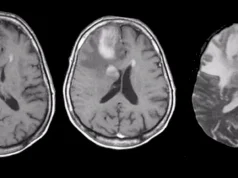
Acute Lymphoblastic Leukemia (ALL)
Acute Lymphoblastic Leukemia (ALL) is a type of cancer that starts from white blood cells in the bone marrow. It is the most common type of leukemia in children, but it can also occur in adults. ALL progresses rapidly and requires immediate treatment.
Symptoms
- Fatigue
- Weakness
- Frequent infections
- Fever
- Easy bruising or bleeding
- Bone pain
- Swollen lymph nodes
Treatment
Treatment for ALL usually involves a combination of chemotherapy, radiation therapy, targeted therapy, and stem cell transplant. The goal of treatment is to induce remission and prevent relapse.
Chemotherapy
Chemotherapy is the main treatment for ALL. It involves the use of drugs to kill cancer cells. Chemotherapy may be given orally or intravenously.
Radiation Therapy
Radiation therapy uses high-energy rays to target and destroy cancer cells. It is often used in combination with chemotherapy.
Stem Cell Transplant
A stem cell transplant may be recommended for patients with high-risk ALL. This procedure involves replacing damaged bone marrow with healthy stem cells.
In conclusion, Acute Lymphoblastic Leukemia is a serious condition that requires prompt diagnosis and treatment. With advancements in medical technology, the prognosis for ALL has improved significantly in recent years. Early detection and appropriate treatment are key to improving outcomes for patients with ALL.
Acute Lymphoblastic Leukemia (ALL) FAQ
Acute Lymphoblastic Leukemia (ALL) is a type of cancer that affects the blood and bone marrow. It is the most common type of cancer in children, but can also occur in adults. It arises from abnormal growth of immature white blood cells called lymphoblasts. Here are some frequently asked questions about ALL:
What are the symptoms of ALL? Symptoms of ALL can vary depending on the age of the patient, but common symptoms include fatigue, pale skin, easy bruising or bleeding, frequent infections, bone pain, swollen lymph nodes, and unexplained weight loss.
What causes ALL? The exact cause of ALL is not known, but certain factors may increase the risk of developing the disease, such as genetic predisposition, exposure to high doses of radiation or certain chemicals, and certain genetic disorders like Down syndrome.
How is ALL diagnosed? Diagnosis of ALL usually involves a combination of blood tests, bone marrow biopsy, and imaging tests such as CT scans or X-rays. The presence of abnormal lymphoblasts in the blood or bone marrow confirms the diagnosis.
What are the treatment options for ALL? Treatment for ALL typically involves chemotherapy, which consists of drugs that kill cancer cells. Other treatments may include radiation therapy, targeted therapy, and stem cell transplantation. The specific treatment plan will depend on factors such as the patient’s age, overall health, and genetic characteristics of the leukemia cells.
What is the prognosis for ALL? The prognosis for ALL has improved significantly over the years, especially for children. With modern treatments, the overall cure rate for childhood ALL is around 90%. The prognosis for adults with ALL is generally not as favorable, but with aggressive treatment, many adults can achieve long-term remission.
Are there any long-term side effects of ALL treatment? Some patients may experience long-term side effects of ALL treatment, such as infertility, secondary cancers, heart problems, and cognitive issues. Close monitoring by healthcare providers is important to detect and manage these potential complications.
Can ALL be prevented? Since the exact cause of ALL is unknown, there are no specific prevention strategies. However, avoiding exposure to known risk factors such as certain chemicals or radiation may help reduce the risk of developing the disease.
Can ALL recur after treatment? Unfortunately, ALL can recur (relapse) after treatment, especially in adults. Close monitoring and regular follow-up appointments with healthcare providers are important to detect any signs of relapse early and adjust treatment as needed.
Overall, Acute Lymphoblastic Leukemia is a serious but treatable condition. Advances in medical research and personalized treatment approaches have significantly improved outcomes for patients with ALL. It’s important for patients and their families to work closely with their healthcare team to develop a comprehensive treatment plan and stay informed about the latest developments in ALL treatment.