Astrocytomas, Childhood (Brain Cancer)
Astrocytomas, especially in childhood, are a type of brain tumor that originates from astrocytes – a type of glial cell in the brain. While they are relatively rare compared to other types of childhood cancers, astrocytomas can have a significant impact on a child’s development and overall quality of life. In this article, we will explore what astrocytomas are, their symptoms, diagnosis, treatment options, and prognosis.
Understanding Astrocytomas
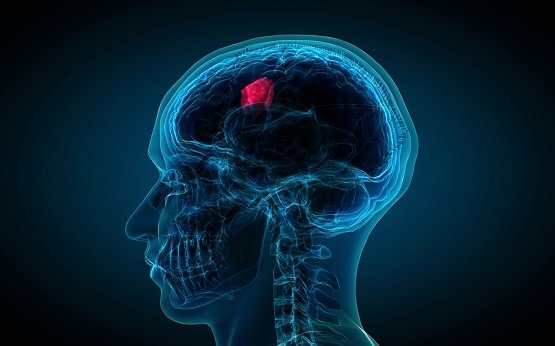
Astrocytomas are tumors that develop from astrocytes, which are star-shaped cells that provide support and nourishment to neurons in the brain. When these cells undergo mutations and begin to multiply uncontrollably, they can form a mass known as a tumor. In children, astrocytomas most commonly develop in the cerebellum or brainstem regions of the brain.
Types of Childhood Astrocytomas
There are several subtypes of astrocytomas that can occur in children, including:
- Pilocytic Astrocytoma: This is a slow-growing tumor that is typically noncancerous and has a good prognosis.
- Diffuse Astrocytoma: These tumors are more aggressive and can infiltrate surrounding brain tissue.
- Anaplastic Astrocytoma: A high-grade tumor that grows rapidly and is more likely to recur after treatment.
- Glioblastoma Multiforme: The most aggressive form of astrocytoma, which is associated with a poor prognosis.
Symptoms of Childhood Astrocytomas
The symptoms of childhood astrocytomas can vary depending on the location and size of the tumor. Common symptoms may include:
- Headaches
- Nausea and vomiting
- Seizures
- Changes in vision
- Coordination and balance problems
- Cognitive changes
- Behavioral changes
If a child exhibits any of these symptoms, especially if they persist or worsen over time, it is essential to seek medical evaluation for further investigation.
Diagnosis and Treatment
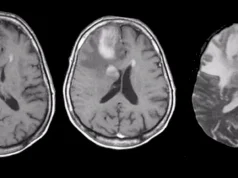
Diagnosing childhood astrocytomas usually involves a combination of imaging tests, such as MRI or CT scans, and a biopsy to examine the tumor tissue. Once a diagnosis is confirmed, treatment options may include:
- Surgery to remove the tumor
- Radiation therapy
- Chemotherapy
- Targeted therapy
- Supportive care to manage symptoms and improve quality of life
The specific treatment approach will depend on factors such as the tumor type, location, and the child’s overall health.
Prognosis and Survival Rate
The prognosis for childhood astrocytomas can vary widely depending on several factors, including the tumor’s grade, location, and the child’s response to treatment. Overall, survival rates for childhood astrocytomas have improved in recent years due to advancements in treatment options and supportive care measures.
In conclusion, childhood astrocytomas are a challenging diagnosis that requires a comprehensive and multidisciplinary approach to treatment. By raising awareness of the symptoms and treatment options available, we can help improve outcomes for children facing this type of brain cancer. If you suspect that your child may be experiencing symptoms of an astrocytoma, do not hesitate to seek medical attention promptly.
Give your child the best chance at a positive outcome by staying informed and being proactive in their healthcare journey.