Basal Cell Carcinoma Of The Skin – See Skin Cancer
Basal cell carcinoma (BCC) is the most common type of skin cancer. It usually appears as a small, shiny bump or nodule on the skin. While BCC rarely spreads to other parts of the body, it can be locally invasive and cause disfigurement if not treated promptly. In this article, we will discuss the causes, symptoms, diagnosis, and treatment options for basal cell carcinoma.
What Causes Basal Cell Carcinoma?
Basal cell carcinoma is primarily caused by exposure to ultraviolet (UV) radiation from the sun or tanning beds. People with fair skin, light-colored eyes, and a history of sunburns are at a higher risk of developing BCC. Other risk factors include a weakened immune system, exposure to certain chemicals, and a family history of skin cancer.
Symptoms of Basal Cell Carcinoma
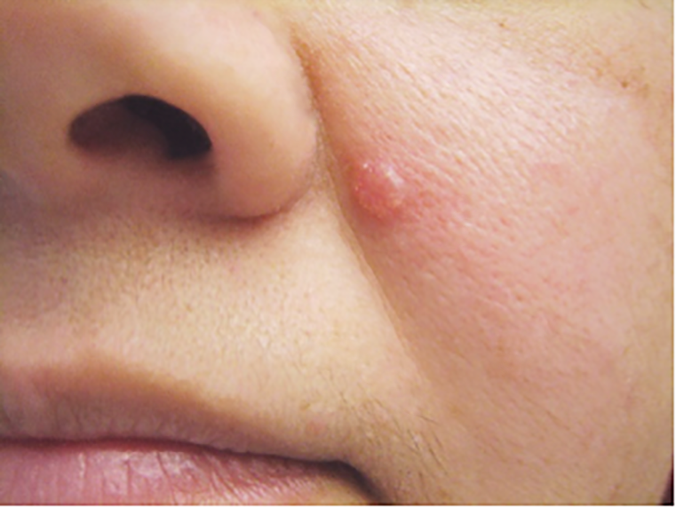
The most common symptom of basal cell carcinoma is a pearly or waxy bump on the skin that may bleed easily and form a scab. Other signs to watch out for include a flat, flesh-colored or brown scar-like lesion, a pink growth with slightly raised edges, or a white, waxy area with a poorly defined border.
Diagnosis of Basal Cell Carcinoma
To diagnose basal cell carcinoma, a dermatologist will perform a skin biopsy, where a small sample of the suspicious skin tissue is removed and examined under a microscope. Additionally, the doctor may use dermoscopy, a non-invasive technique that allows for a closer examination of the skin lesions.
Treatment Options for Basal Cell Carcinoma
There are several treatment options available for basal cell carcinoma, depending on the size, location, and aggressiveness of the tumor. Some common treatments include:
- Surgical Excision: The tumor is surgically removed along with a margin of healthy tissue to ensure complete removal.
- Mohs Surgery: This specialized surgical technique is used for larger tumors or those located in sensitive areas.
- Cryotherapy: The tumor is frozen off using liquid nitrogen.
- Topical Medications: Prescription creams or gels may be applied to the skin to treat superficial BCCs.
- Radiation Therapy: This treatment option is reserved for cases where surgery is not possible.
Prevention of Basal Cell Carcinoma
To reduce your risk of developing basal cell carcinoma, it is important to protect your skin from the sun’s harmful UV rays. Here are some tips for prevention:
- Wear sunscreen with an SPF of 30 or higher.
- Seek shade during peak sun hours (10 am to 4 pm).
- Wear protective clothing, such as wide-brimmed hats and sunglasses.
- Avoid tanning beds and sunlamps.
Conclusion
Basal cell carcinoma is a common type of skin cancer that can usually be successfully treated if detected early. By being aware of the risk factors, symptoms, and prevention strategies, you can take steps to protect your skin health. If you notice any suspicious changes on your skin, consult a dermatologist for a thorough evaluation and appropriate treatment.