Atypical Teratoid/rhabdoid Tumor, Childhood, Central Nervous System (Brain Cancer)
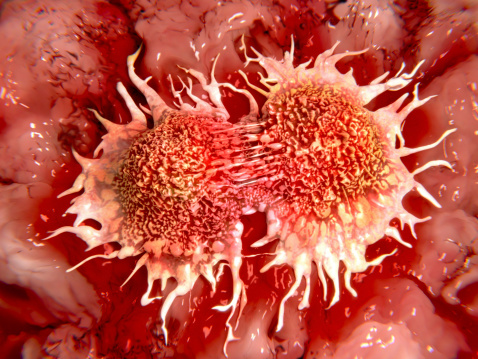
Atypical teratoid/rhabdoid tumor (AT/RT) is a rare and aggressive form of brain cancer that primarily affects children. This type of tumor typically occurs in the central nervous system and is characterized by its fast-growing nature and high likelihood of recurrence. In this article, we will explore the key aspects of AT/RT, including its symptoms, diagnosis, treatment options, and prognosis.
What is Atypical Teratoid/Rhabdoid Tumor?
AT/RT is a highly malignant tumor that arises in the central nervous system, most commonly in the brain. It is classified as a pediatric embryonal tumor due to its occurrence in young children, typically under the age of 3. AT/RT is characterized by the presence of rhabdoid cells, which are large, abnormal cells with a distinct appearance under the microscope.
Symptoms of AT/RT
The symptoms of AT/RT can vary depending on the location and size of the tumor. Common signs and symptoms may include:
- Headaches
- Nausea and vomiting
- Seizures
- Changes in behavior or personality
- Weakness or paralysis
- Vision problems
It is important to note that these symptoms are not specific to AT/RT and can be caused by other conditions as well. If a child exhibits any of these symptoms, they should be evaluated by a healthcare professional for further assessment.
Diagnosis of AT/RT
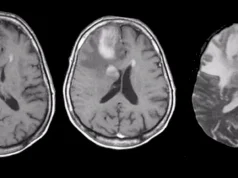
Diagnosing AT/RT typically involves a combination of imaging tests, such as MRI or CT scans, and a biopsy to examine the tumor tissue. The presence of rhabdoid cells in the biopsy sample is a key indicator of AT/RT. Additional tests, such as lumbar puncture or spinal tap, may be performed to determine if the cancer has spread to the cerebrospinal fluid.
Treatment Options for AT/RT
The treatment of AT/RT often involves a multimodal approach, including surgery, chemotherapy, and radiation therapy. Surgery is usually the first step in removing as much of the tumor as possible. Chemotherapy and radiation therapy may be used before or after surgery to target any remaining cancer cells.
Prognosis for AT/RT
The prognosis for AT/RT can vary depending on several factors, including the age of the child, the size and location of the tumor, and how well the tumor responds to treatment. Due to the aggressive nature of AT/RT, the overall survival rate is lower compared to other types of childhood brain tumors. However, advances in treatment options have improved outcomes for some patients with AT/RT.
Conclusion
Atypical teratoid/rhabdoid tumor is a rare and aggressive form of brain cancer that primarily affects children. Early detection and prompt treatment are crucial in improving the prognosis for children diagnosed with AT/RT. By raising awareness about this rare disease and supporting research efforts, we can work towards better outcomes for children battling AT/RT.
Remember, if you notice any concerning symptoms in your child, it is important to seek medical attention promptly for proper evaluation and diagnosis.