Lung Cancer But Don’t Smoke: Understanding the Risks and Realities
Introduction
Lung cancer is often associated with smoking, but what happens when non-smokers are diagnosed with this daunting disease? The assumption that smoking is the only significant cause of lung cancer is a dangerous misconception. Lung cancer in non-smokers is not only possible but also increasingly common. This article delves into the various risk factors, symptoms, and preventive measures for lung cancer in non-smokers, aiming to provide a comprehensive understanding of this critical health issue.
Understanding Lung Cancer
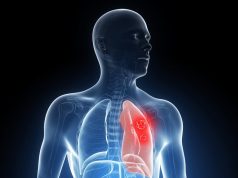
Lung cancer is a type of cancer that begins in the lungs, the two spongy organs in your chest that take in oxygen and release carbon dioxide. It is primarily categorized into two main types: non-small cell lung cancer (NSCLC) and small cell lung cancer (SCLC). While NSCLC is more common, both types can be aggressive and life-threatening.
Non-Smoking Risk Factors
While smoking remains the leading cause of lung cancer, non-smokers are not immune. Several other risk factors can contribute to the development of lung cancer:
1. Radon Exposure
Radon is a naturally occurring radioactive gas that can accumulate in homes, particularly in basements and lower levels. Long-term exposure to high levels of radon is the second leading cause of lung cancer in the United States.
2. Secondhand Smoke
Inhaling smoke from others’ cigarettes, pipes, or cigars can also increase the risk of lung cancer. Secondhand smoke contains thousands of chemicals, many of which are known carcinogens.
3. Environmental Pollutants
Air pollution, including emissions from vehicles and industrial processes, can contribute to lung cancer. Prolonged exposure to polluted air has been linked to an increased risk of lung cancer.
4. Occupational Hazards
Certain professions expose workers to harmful substances like asbestos, arsenic, and diesel exhaust. Regular exposure to these carcinogens significantly elevates the risk of developing lung cancer.
5. Genetic Factors
A family history of lung cancer can increase an individual’s risk, even if they have never smoked. Genetic mutations can predispose non-smokers to the disease.
Symptoms of Lung Cancer in Non-Smokers
Recognizing the symptoms of lung cancer early can improve the chances of successful treatment. However, symptoms often do not appear until the cancer is advanced. Key symptoms include:
- Persistent Cough: A cough that does not go away or worsens over time.
- Chest Pain: Discomfort or pain in the chest, especially during deep breaths or coughing.
- Hoarseness: Changes in voice or a persistent hoarse voice.
- Shortness of Breath: Difficulty breathing or feeling winded easily.
- Unexplained Weight Loss: Losing weight without trying.
- Fatigue: Persistent tiredness or lack of energy.
- Frequent Lung Infections: Recurrent bronchitis or pneumonia.
Diagnosis and Treatment
Diagnosing lung cancer typically involves imaging tests such as X-rays, CT scans, and MRIs, followed by a biopsy to confirm the presence of cancerous cells. Once diagnosed, treatment options depend on the type and stage of lung cancer.
1. Surgery
Surgical options aim to remove the cancerous tissue and can be effective in early-stage lung cancer. Procedures may include lobectomy (removal of a lung lobe) or pneumonectomy (removal of an entire lung).
2. Radiation Therapy
This treatment uses high-energy rays to target and kill cancer cells. It can be used alone or in combination with other treatments.
3. Chemotherapy
Chemotherapy involves the use of drugs to kill cancer cells or stop their growth. It can be administered orally or intravenously.
4. Targeted Therapy
Targeted therapy uses drugs to specifically target cancer cells without affecting normal cells. This treatment is particularly effective for certain genetic mutations found in non-smokers.
5. Immunotherapy
Immunotherapy helps the immune system recognize and fight cancer cells. It is a newer treatment option showing promise for various types of lung cancer.
Preventive Measures
While it may not be possible to prevent lung cancer entirely, certain measures can reduce the risk:
1. Test for Radon
Testing your home for radon and taking necessary steps to reduce high levels can significantly lower the risk of lung cancer.
2. Avoid Secondhand Smoke
Limiting exposure to secondhand smoke by creating smoke-free environments at home and work can protect against lung cancer.
3. Reduce Exposure to Carcinogens
If your job exposes you to harmful substances, follow safety protocols to minimize exposure. Wearing protective gear and ensuring proper ventilation can help.
4. Healthy Lifestyle Choices
Maintaining a healthy diet rich in fruits and vegetables, regular exercise, and avoiding known carcinogens like asbestos can also reduce the risk.
Living with Lung Cancer
A lung cancer diagnosis is life-altering, but there are resources and support systems available to help patients and their families cope. Organizations like the American Cancer Society and Lung Cancer Alliance provide valuable information and support.
Conclusion
Lung cancer in non-smokers is a serious health issue that warrants attention. By understanding the risk factors, recognizing symptoms early, and adopting preventive measures, non-smokers can reduce their risk of developing lung cancer. Awareness and education are crucial in combating this disease and improving outcomes for those affected.