==== Liquid Biopsy ====
Liquid Biopsy: A Revolutionary Tool for Early Cancer Detection
Cancer is a leading cause of death worldwide, and early detection is crucial for successful treatment. Traditional methods of cancer screening, such as mammograms and colonoscopies, can be invasive and uncomfortable. Liquid biopsy offers a promising alternative, providing a minimally invasive way to detect cancer at an early stage.
What is Liquid Biopsy?
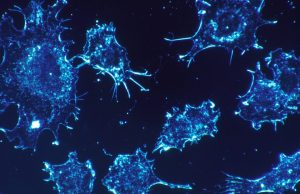
Liquid biopsy is a medical test that analyzes cell-free nucleic acids (cfNAs) and circulating tumor cells (CTCs) found in the bloodstream. These cfNAs and CTCs are shed by tumors and can provide valuable information about the presence and characteristics of cancer.
Advantages of Liquid Biopsy
- Minimally invasive: Liquid biopsy requires only a simple blood draw, making it a more tolerable option for patients compared to traditional screening methods.
- Comprehensive: Liquid biopsy can provide a snapshot of the entire body, detecting cancer cells that may have spread to distant sites.
- Early detection: Liquid biopsy can potentially detect cancer at an earlier stage than traditional screening methods, allowing for timely intervention and improved treatment outcomes.
- Personalized treatment: Liquid biopsy can help guide treatment decisions by providing information about the genetic makeup of the tumor and its likely response to different therapies.
Applications of Liquid Biopsy
Liquid biopsy has numerous applications in cancer screening and management:
- Early detection: Liquid biopsy can screen for various types of cancer, including lung, breast, colorectal, prostate, and ovarian cancer.
- Monitoring disease progression: Liquid biopsy can track tumor growth and response to treatment by detecting changes in cfNAs and CTCs over time.
- Guiding treatment decisions: Liquid biopsy can identify specific genetic mutations or biomarkers that can guide treatment selection and predict patient outcomes.
- Personalized medicine: Liquid biopsy can help tailor treatment plans based on individual patient characteristics and tumor biology.
Limitations of Liquid Biopsy
While liquid biopsy holds great promise, it also has some limitations:
- Sensitivity: Liquid biopsy may not be as sensitive as traditional screening methods in some cases, especially in the early stages of cancer.
- Specificity: Liquid biopsy may sometimes yield false positive results, leading to unnecessary anxiety and further testing.
- Cost: Liquid biopsy can be expensive, although costs are gradually decreasing as the technology matures.
The Future of Liquid Biopsy
Liquid biopsy is a rapidly evolving field, with continuous advancements in technology and applications. Ongoing research aims to improve the sensitivity and specificity of liquid biopsy tests, expand its use to more types of cancer, and develop new biomarkers for early detection and personalized treatment.
In conclusion, liquid biopsy is a transformative technology that has the potential to revolutionize cancer screening and management. By providing a minimally invasive, comprehensive, and personalized approach to cancer detection, liquid biopsy empowers patients and healthcare providers with valuable information that can lead to earlier diagnosis, more effective treatment, and improved outcomes.
Secondary Keywords:
- Cancer Screening
- Early Detection
- Circulating Tumor Cells
- Cell-Free Nucleic Acids
- Personalized Medicine