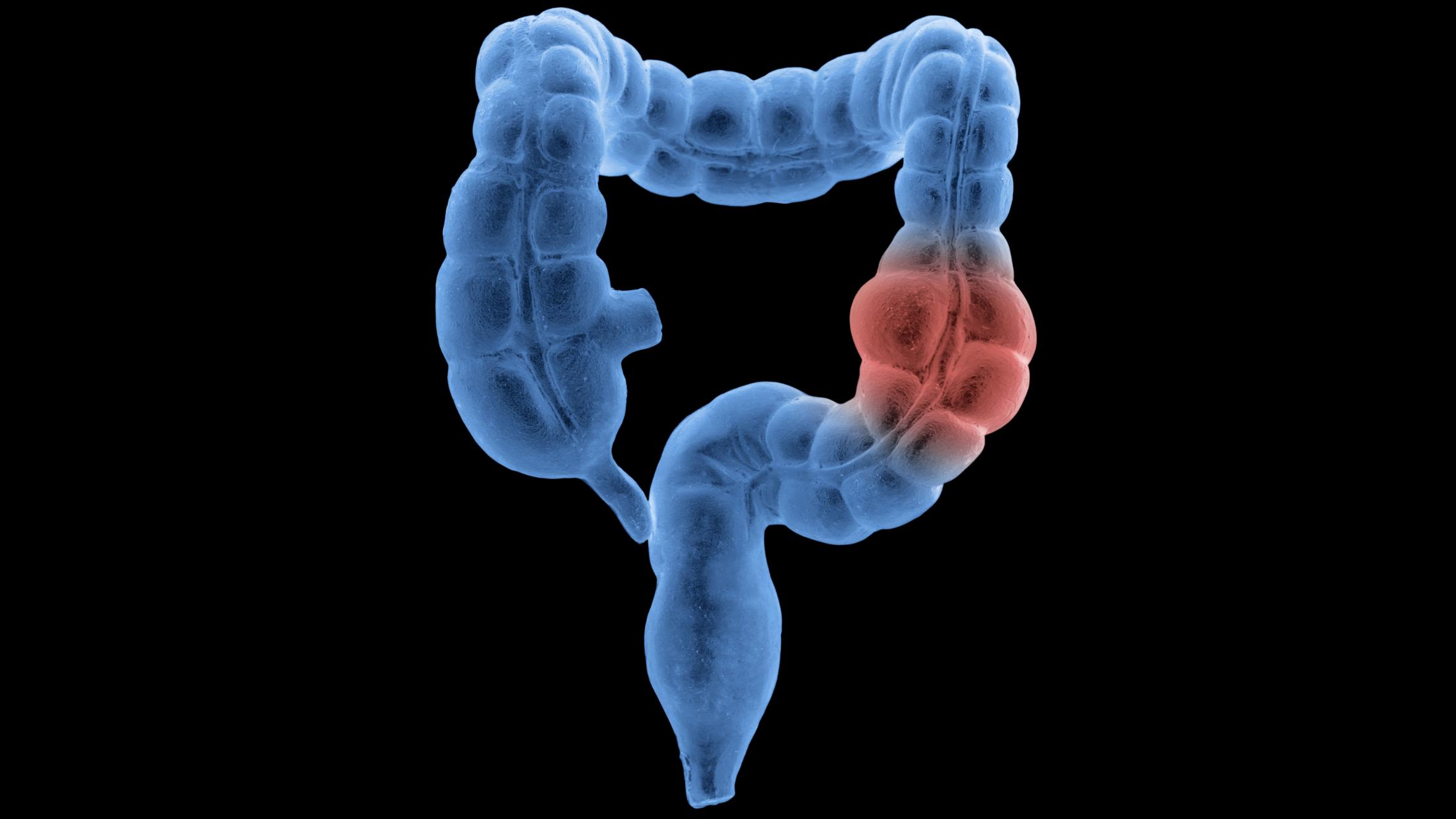
Cancerous – What is Colorectal Cancer? Colorectal cancer is a type of cancer that affects the colon (large intestine) or rectum. The colon and rectum are parts of the digestive system that are responsible for absorbing water and nutrients from food and eliminating waste from the body. Colorectal cancer usually develops slowly over several years, starting with small growths called polyps that can turn into cancer if left untreated.
The symptoms of colorectal cancer can include changes in bowel habits, such as diarrhea or constipation, blood in the stool, abdominal pain or discomfort, and unexplained weight loss. However, many people with colorectal cancer may not experience any symptoms until the cancer has advanced.
Colorectal cancer can be diagnosed through a variety of tests, including colonoscopy, which allows a doctor to view the inside of the colon and rectum and remove any polyps that are found.
Treatment for colorectal cancer typically involves surgery to remove the cancerous tissue, followed by chemotherapy and/or radiation therapy to destroy any remaining cancer cells. The prognosis for colorectal cancer depends on the stage of the cancer at the time of diagnosis, as well as other factors such as the person’s age and overall health. Early detection and treatment can significantly improve the chances of survival.
Also Read: What is Cancer?
Kinds of Colorectal Cancer
There are several types of colorectal cancer, including:
- Adenocarcinomas: This is the most common type of colorectal cancer, accounting for over 95% of cases. Adenocarcinomas develop from the glandular cells that line the colon and rectum.
- Carcinoid tumors: These are rare tumors that develop from the hormone-producing cells of the intestine. They are usually slow-growing and may not cause symptoms for many years.
- Gastrointestinal stromal tumors (GISTs): These are rare tumors that develop in the connective tissue that supports the gastrointestinal tract. They can occur anywhere in the digestive system, including the colon and rectum.
- Lymphomas: These are cancers that develop in the lymphatic system, which is part of the immune system. Lymphomas can develop anywhere in the body, including the colon and rectum.
- Sarcomas: These are rare tumors that develop in the connective tissue of the colon and rectum. They can be difficult to diagnose and treat.
Adenocarcinomas are by far the most common type of colorectal cancer, and the majority of treatments and research are focused on this type.
Also Read: What is Breast Cancer?
What Are the Symptoms of Colorectal Cancer?
The symptoms of colorectal cancer can vary depending on the location of the cancer in the colon or rectum, as well as the stage of the cancer. Some people with colorectal cancer may experience no symptoms at all, especially in the early stages of the disease. However, some common symptoms of colorectal cancer include:
- Changes in bowel habits, such as diarrhea or constipation that lasts for more than a few days
- Blood in the stool, which may appear as bright red blood or black, tarry stools
- Abdominal pain or discomfort, such as cramping, bloating, or gas pains
- Unexplained weight loss
- Fatigue or weakness
- Anemia (low red blood cell count), which can cause fatigue, weakness, and shortness of breath
- Feeling that the bowel is not completely empty after a bowel movement
- Narrow stools, or stools that are smaller than usual
It is important to note that these symptoms can also be caused by other conditions besides colorectal cancer, such as hemorrhoids, inflammatory bowel disease, or infections. However, if you experience any of these symptoms, it is important to speak with your healthcare provider to determine the cause and appropriate treatment.
Also Read: What is Lung Cancer?
What Are the Risk Factors for Colorectal Cancer?
There are several risk factors that can increase a person’s likelihood of developing colorectal cancer, including:
- Age: Colorectal cancer is more common in people over the age of 50, although it can occur at any age.
- Family history: People with a family history of colorectal cancer or polyps have a higher risk of developing the disease.
- Personal history: People who have had colorectal cancer or certain types of polyps in the past are at increased risk of developing the disease again.
- Inherited syndromes: Certain genetic syndromes, such as Lynch syndrome or familial adenomatous polyposis (FAP), can increase a person’s risk of developing colorectal cancer.
- Race and ethnicity: African Americans and people of Ashkenazi Jewish descent have a higher risk of developing colorectal cancer.
- Lifestyle factors: Certain lifestyle factors can increase a person’s risk of developing colorectal cancer, including a diet high in red and processed meats, a lack of physical activity, obesity, smoking, and heavy alcohol consumption.
- Medical conditions: Certain medical conditions, such as inflammatory bowel disease (IBD), Crohn’s disease, or ulcerative colitis, can increase a person’s risk of developing colorectal cancer.
It is important to note that having one or more of these risk factors does not mean that a person will definitely develop colorectal cancer, and many people who develop the disease have no known risk factors. However, if you have any of these risk factors, it is important to talk with your healthcare provider about screening for colorectal cancer.
Also Read: What is Prostate Cancer?
What Can I Do to Reduce My Risk of Colorectal Cancer?
There are several things you can do to reduce your risk of developing colorectal cancer:
- Get screened: Screening tests, such as colonoscopies, can help detect colorectal cancer in its early stages when it is most treatable. Talk to your healthcare provider about when to begin screening and how often to get tested.
- Eat a healthy diet: Eating a diet that is high in fruits, vegetables, whole grains, and lean protein sources can help reduce your risk of developing colorectal cancer. Limit your intake of red and processed meats, as well as sugary and high-fat foods.
- Stay physically active: Regular physical activity, such as brisk walking, cycling, or swimming, can help reduce your risk of developing colorectal cancer. Aim for at least 30 minutes of moderate-intensity exercise on most days of the week.
- Maintain a healthy weight: Being overweight or obese can increase your risk of developing colorectal cancer. Aim to maintain a healthy weight through a combination of a healthy diet and regular exercise.
- Limit alcohol consumption: Drinking alcohol in excess can increase your risk of developing colorectal cancer. If you choose to drink, do so in moderation (no more than one drink per day for women and two drinks per day for men).
- Don’t smoke: Smoking is a known risk factor for many types of cancer, including colorectal cancer. Quitting smoking can help reduce your risk of developing the disease.
- Know your family history: If you have a family history of colorectal cancer or polyps, talk to your healthcare provider about whether you need to begin screening at an earlier age or get tested more frequently.
By following these guidelines, you can help reduce your risk of developing colorectal cancer and improve your overall health and well-being.
How Is Colorectal Cancer Diagnosed?
Colorectal cancer is often diagnosed through a combination of medical history, physical examination, and various tests. Some of the common tests used to diagnose colorectal cancer include:
- Fecal occult blood test (FOBT): This test detects hidden blood in the stool that is not visible to the naked eye. It may be done annually as a screening test for colorectal cancer.
- Colonoscopy: During a colonoscopy, a flexible tube with a camera on the end is inserted into the rectum and passed through the entire colon. This allows the doctor to examine the lining of the colon and rectum and to remove any abnormal growths (polyps) for further testing.
- Biopsy: A biopsy involves removing a small piece of tissue from the colon or rectum and examining it under a microscope for signs of cancer.
- Imaging tests: Imaging tests, such as CT scans, MRI scans, or PET scans, may be used to determine the extent of the cancer and whether it has spread to other parts of the body.
- Blood tests: Blood tests can be used to measure certain substances in the blood that may be elevated in people with colorectal cancer.
If colorectal cancer is diagnosed, the doctor will use the results of these tests to determine the stage of the cancer, which will help guide treatment decisions. It is important to note that early detection and treatment of colorectal cancer can greatly improve the chances of successful treatment and survival.
How Is Colorectal Cancer Treated?
Colorectal cancer is a type of cancer that affects the colon or rectum. Treatment for colorectal cancer typically depends on the stage of the cancer and can include surgery, chemotherapy, radiation therapy, targeted therapy, and immunotherapy.
- Surgery: Surgery is often the first-line treatment for early-stage colorectal cancer. The goal of surgery is to remove the cancerous tissue and nearby lymph nodes. The type of surgery depends on the location and extent of the cancer. In some cases, a temporary or permanent colostomy may be necessary.
- Chemotherapy: Chemotherapy is a type of cancer treatment that uses drugs to kill cancer cells. It is often used after surgery to destroy any remaining cancer cells or to shrink tumors before surgery. Chemotherapy can also be used to treat advanced-stage colorectal cancer that has spread to other parts of the body.
- Radiation therapy: Radiation therapy uses high-energy X-rays to kill cancer cells. It is sometimes used in combination with chemotherapy to treat advanced-stage colorectal cancer that has spread to other parts of the body. Radiation therapy may also be used before surgery to shrink tumors and make them easier to remove.
- Targeted therapy: Targeted therapy is a type of cancer treatment that targets specific proteins or genes that contribute to the growth and spread of cancer cells. Targeted therapy drugs can be used in combination with chemotherapy to treat advanced-stage colorectal cancer.
- Immunotherapy: Immunotherapy is a type of cancer treatment that uses the body’s immune system to fight cancer cells. Immunotherapy drugs can be used to treat advanced-stage colorectal cancer that has certain genetic mutations.
In summary, the treatment for colorectal cancer depends on the stage and location of the cancer, and may involve surgery, chemotherapy, radiation therapy, targeted therapy, and/or immunotherapy. It is important to work with a team of doctors and healthcare professionals to develop a personalized treatment plan that is best suited for each individual case.