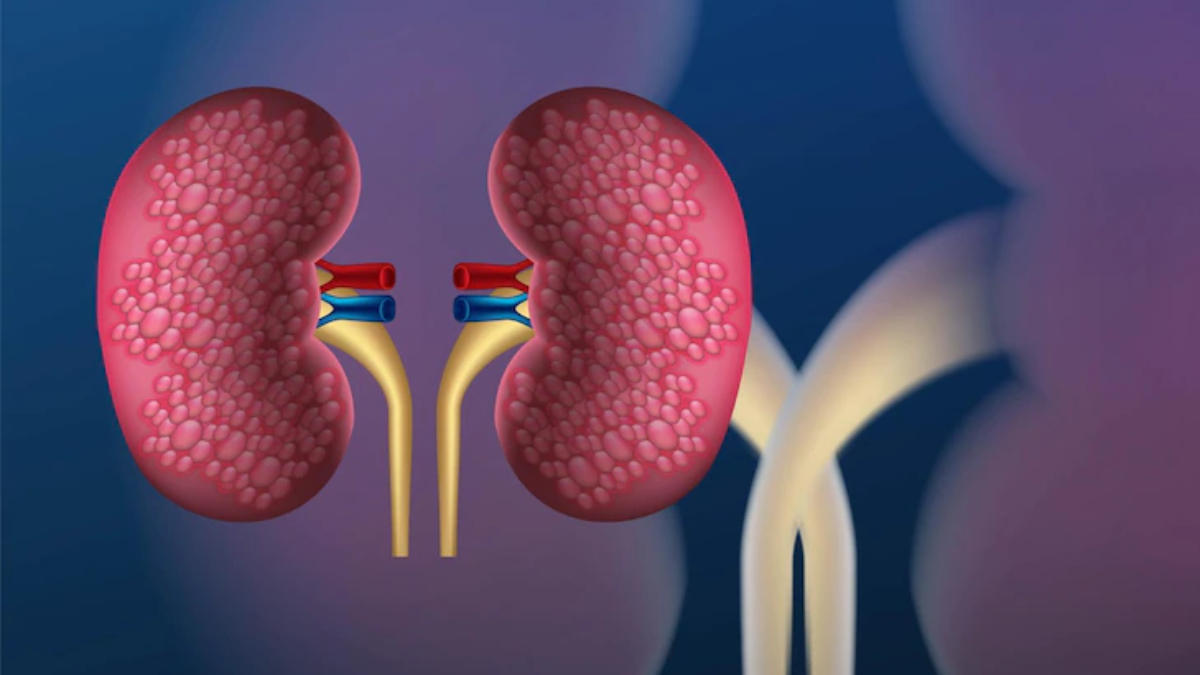
Cancerous.eu – What is Kidney Cancer? Kidney cancer, also known as renal cancer, is a type of cancer that starts in the cells of the kidneys. The most common type of kidney cancer is renal cell carcinoma, which accounts for about 85% of all kidney cancers.
Symptoms of kidney cancer may include:
- Blood in the urine
- Pain in the side or back that doesn’t go away
- A lump or mass in the side or abdomen
- Weight loss
- Fatigue
- Loss of appetite
- Fever
Risk factors for kidney cancer may include:
- Age: Kidney cancer is most commonly diagnosed in people over the age of 60.
- Smoking: Smoking is a major risk factor for kidney cancer, and people who smoke are at higher risk than non-smokers.
- Obesity: Obesity is also a risk factor for kidney cancer.
- High blood pressure: People with high blood pressure have an increased risk of developing kidney cancer.
- Family history: People with a family history of kidney cancer are at higher risk.
- Occupational exposure: Certain occupations that involve exposure to chemicals, such as cadmium or asbestos, may increase the risk of kidney cancer.
Diagnosis of kidney cancer may involve imaging tests such as a CT scan, MRI, or ultrasound, as well as a biopsy to remove a small sample of tissue for examination. Treatment options for kidney cancer may include surgery to remove the tumor, radiation therapy, chemotherapy, targeted therapy, or immunotherapy. The treatment plan will depend on the stage and severity of cancer, as well as the individual’s overall health and other factors.
Kinds of Kidney Cancer
There are several different types of kidney cancer, but the most common type is renal cell carcinoma, which accounts for about 85% of all kidney cancers. Other types of kidney cancer include:
- Transitional cell carcinoma: This type of kidney cancer starts in the lining of the renal pelvis, where urine collects before entering the ureter.
- Wilms tumor: This is a rare type of kidney cancer that usually affects children under the age of 5.
- Renal sarcoma: This is a rare type of kidney cancer that starts in the connective tissues of the kidney.
- Oncocytoma: This is a type of non-cancerous kidney tumor that can be difficult to distinguish from renal cell carcinoma.
- Angiomyolipoma: This is a type of non-cancerous kidney tumor that is made up of fat, blood vessels, and muscle cells.
The treatment for each type of kidney cancer may vary depending on the location, size, and stage of the tumor. It is important to discuss treatment options with a healthcare provider to determine the best approach for your specific case.
Stage of Kidney Cancer
The stage of kidney cancer describes the size and extent of cancer, and whether it has spread to other parts of the body. The stage of kidney cancer is an important factor in determining the treatment options and predicting the outlook for the individual.
The stages of kidney cancer may include:
- Stage 1: The tumor is small and confined to the kidney.
- Stage 2: The tumor is larger and may have grown into the surrounding tissue or blood vessels, but is still confined to the kidney.
- Stage 3: The tumor has spread to nearby lymph nodes or other tissues, or it has grown into the major veins or adrenal glands.
- Stage 4: The cancer has spread to other parts of the body, such as the bones, liver, or lungs.
Staging is typically determined by imaging tests such as CT scans, MRI, or PET scans, as well as a physical exam and sometimes a biopsy of the tumor.
The stage of kidney cancer is an important factor in determining the best treatment options and predicting the outlook for the individual. The earlier the stage, the more likely the cancer is to be successfully treated. Treatment options for kidney cancer may include surgery to remove the tumor, radiation therapy, chemotherapy, targeted therapy, or immunotherapy, and the treatment plan will depend on the stage and severity of the cancer, as well as the individual’s overall health and other factors.
What Are the Symptoms of Kidney Cancer?
The symptoms of kidney cancer may vary depending on the size and location of the tumor, as well as whether the cancer has spread to other parts of the body. Some people with kidney cancer may not experience any symptoms, especially in the early stages of the disease. However, common symptoms of kidney cancer may include:
- Blood in the urine: This is the most common symptom of kidney cancer, and it may appear as pink, red, or dark brown urine.
- Pain in the side or back: Kidney cancer may cause pain in the side or back that doesn’t go away, and it may be accompanied by swelling or a lump.
- Weight loss: Unintentional weight loss may be a symptom of kidney cancer.
- Fatigue: Kidney cancer may cause fatigue or weakness.
- Fever: A persistent fever may be a sign that the cancer has spread to other parts of the body.
- Loss of appetite: Kidney cancer may cause a loss of appetite or nausea.
- Anemia: Kidney cancer may cause a decrease in the number of red blood cells, which can lead to anemia.
If you experience any of these symptoms, it is important to see a healthcare provider for an evaluation. However, it is important to note that many of these symptoms may be caused by other conditions, and not necessarily kidney cancer.
What Are the Risk Factors for Kidney Cancer?
There are several factors that may increase the risk of developing kidney cancer, including:
- Age: The risk of kidney cancer increases as you get older, with most cases diagnosed in people over the age of 60.
- Gender: Men are more likely to develop kidney cancer than women.
- Smoking: Smoking is a major risk factor for kidney cancer, and the risk increases with the amount and duration of smoking.
- Obesity: Being overweight or obese increases the risk of kidney cancer.
- High blood pressure: High blood pressure may increase the risk of kidney cancer.
- Family history: A family history of kidney cancer may increase the risk.
- Occupational exposure: Exposure to certain chemicals, such as cadmium, asbestos, or organic solvents, may increase the risk of kidney cancer.
- Kidney disease: People with certain types of kidney disease, such as polycystic kidney disease, may have an increased risk of kidney cancer.
It is important to note that having one or more of these risk factors does not necessarily mean that an individual will develop kidney cancer, and many people with kidney cancer have no known risk factors. However, it is important to be aware of these risk factors and to talk to a healthcare provider about any concerns or questions.
What Can I Do to Reduce My Risk of Kidney Cancer?
There are several steps you can take to help reduce your risk of kidney cancer, including:
- Quit smoking: If you smoke, quitting is the single most effective thing you can do to reduce your risk of kidney cancer.
- Maintain a healthy weight: Being overweight or obese increases the risk of kidney cancer, so it’s important to maintain a healthy weight through regular exercise and a healthy diet.
- Manage high blood pressure: High blood pressure may increase the risk of kidney cancer, so it’s important to manage it through lifestyle changes and/or medication as recommended by a healthcare provider.
- Protect against workplace exposures: If you work in an industry that involves exposure to certain chemicals, such as cadmium, asbestos, or organic solvents, take appropriate safety measures to protect yourself from exposure.
- Eat a healthy diet: Eating a diet rich in fruits, vegetables, and whole grains may help reduce the risk of kidney cancer.
- Stay hydrated: Drinking plenty of water and staying hydrated may help reduce the risk of kidney cancer.
- Manage kidney disease: If you have kidney disease, work with your healthcare provider to manage it and reduce your risk of complications, including kidney cancer.
It’s important to note that while these steps may help reduce the risk of kidney cancer, they cannot completely eliminate the risk. Regular check-ups with a healthcare provider can help detect kidney cancer early and improve treatment outcomes.
How Is Kidney Cancer Diagnosed?
Kidney cancer may be diagnosed through various methods, including:
- Imaging tests: Imaging tests, such as computed tomography (CT) scans, magnetic resonance imaging (MRI) scans, and ultrasound, can help visualize the kidney and identify any abnormalities or tumors.
- Biopsy: In some cases, a biopsy may be performed to collect a tissue sample from the kidney for analysis in a laboratory. This may be done using a needle guided by imaging techniques or during surgery.
- Blood tests: Blood tests, such as complete blood count (CBC) and kidney function tests, may be performed to check for abnormalities and help diagnose kidney cancer.
- Physical exam: A healthcare provider may perform a physical exam to check for signs of kidney cancer, such as swelling or lumps.
- Urine tests: Urine tests may be used to check for blood or other abnormalities that may indicate kidney cancer.
It is important to note that not all kidney tumors are cancerous, and some may be benign (non-cancerous). However, if kidney cancer is suspected, further tests and evaluations may be needed to confirm the diagnosis and determine the extent of the cancer.
How Is Kidney Cancer Treated?
The treatment for kidney cancer depends on several factors, including the stage of the cancer, the size and location of the tumor, and the patient’s overall health. Treatment options for kidney cancer may include:
- Surgery: Surgery is often the first-line treatment for kidney cancer. The goal of surgery is to remove the tumor and a margin of healthy tissue around it. In some cases, the entire kidney may need to be removed (nephrectomy).
- Radiation therapy: Radiation therapy uses high-energy radiation to kill cancer cells. It may be used in combination with surgery or as a standalone treatment for kidney cancer that has spread to other parts of the body.
- Targeted therapy: Targeted therapy uses drugs that specifically target cancer cells and disrupt their ability to grow and spread. This treatment may be used for advanced or metastatic kidney cancer.
- Immunotherapy: Immunotherapy uses drugs that help the immune system recognize and attack cancer cells. This treatment may be used for advanced or metastatic kidney cancer.
- Watchful waiting: For small kidney tumors that are slow-growing and not causing symptoms, a healthcare provider may recommend monitoring the tumor with regular imaging tests to see if it grows or changes over time.
The treatment plan for kidney cancer is highly individualized, and a healthcare provider will work with the patient to develop the best treatment approach based on their specific circumstances.