Cancerous – Nutrition and Cancer: What You Need to Know. Cancer is a serious health condition that affects millions of people worldwide. While the exact cause of cancer is still unknown, studies have shown that certain lifestyle factors, including diet and nutrition, can play a significant role in the development and progression of the disease.
In this article, we will explore the relationship between nutrition and cancer, and provide you with some tips on how to make healthy dietary choices that can help reduce your risk of developing cancer.
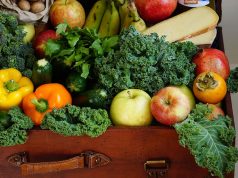
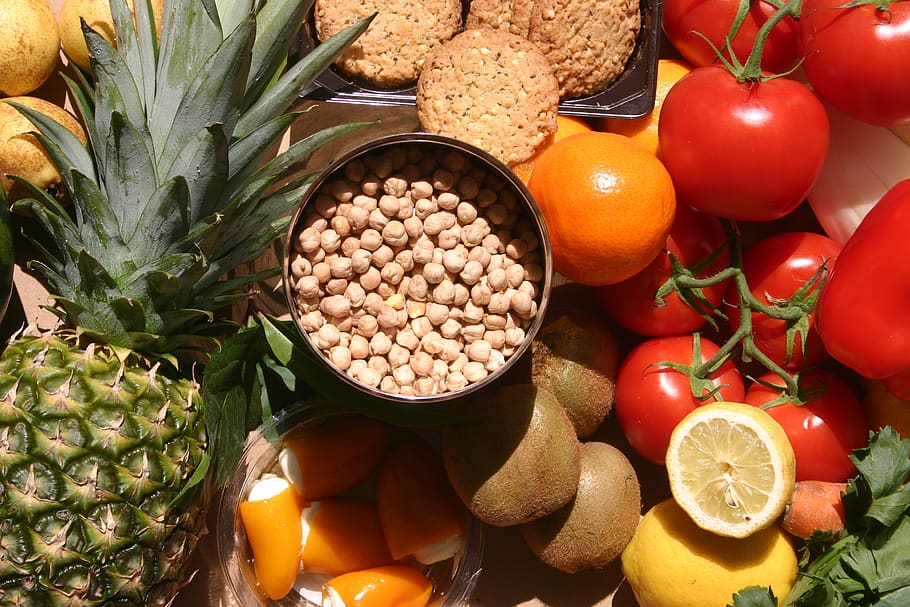
Eat a diet rich in fruits and vegetables.
Fruits and vegetables are rich in vitamins, minerals, and other nutrients that can help support a healthy immune system and reduce inflammation in the body. They are also high in fiber, which can help regulate digestion and promote healthy bowel movements.
Also Read: The Role of Imaging in Cancer Diagnosis and Treatment
Choose whole grains over refined grains.
Whole grains, such as brown rice, quinoa, and whole wheat bread, are rich in fiber, vitamins, and minerals. They also contain antioxidants, which can help protect cells from damage that can lead to cancer.
Limit your intake of red meat and processed meats.
Studies have shown that consuming large amounts of red meat and processed meats, such as bacon, sausage, and deli meats, can increase your risk of developing certain types of cancer, including colon cancer.
Also Read: How Cancer is Diagnosed: The Tests and Procedures Involved
Choose lean protein sources.
Opt for lean protein sources, such as chicken, fish, and legumes, over high-fat meats like beef and pork. These sources of protein are also rich in nutrients that can help support a healthy immune system.
Limit your intake of saturated and trans fats.
Saturated and trans fats can contribute to inflammation in the body, which can increase your risk of developing cancer. Limit your intake of these fats by choosing lean protein sources and opting for healthy fats, such as those found in nuts, seeds, and fatty fish.
Also Read: The Most Common Symptoms of Cancer
Stay hydrated.
Drinking plenty of water can help support a healthy immune system and promote healthy digestion. Aim to drink at least 8 glasses of water per day, and limit your intake of sugary drinks like soda and juice.
Avoid smoking and excessive alcohol consumption.
Smoking and excessive alcohol consumption have been linked to an increased risk of several types of cancer, including lung, liver, and breast cancer. If you smoke, seek help to quit, and limit your alcohol intake to no more than one drink per day for women and two drinks per day for men.
Also Read: The Importance of Genetics in Cancer Development
Get regular exercise.
Regular exercise can help reduce your risk of developing cancer by supporting a healthy immune system and promoting healthy digestion. Aim to get at least 30 minutes of moderate exercise, such as brisk walking, each day.
Maintain a healthy weight.
Being overweight or obese can increase your risk of developing several types of cancer, including breast, colon, and pancreatic cancer. Maintain a healthy weight by eating a balanced diet and getting regular exercise.
Also Read: Early Detection Cancer: Why Routine Screenings are Key
Get regular cancer screenings.
Regular cancer screenings can help detect cancer in its early stages, when it is most treatable. Talk to your doctor about which cancer screenings are appropriate for you based on your age, sex, and other risk factors.