




















Cancerous – Immunotherapy: Harnessing the Power of the Immune System. Immunotherapy is a cutting-edge medical treatment that uses the body’s immune system to fight cancer and other diseases. Harnessing the power of the immune system has become a hot topic in recent years, with researchers exploring new ways to enhance the immune system’s ability to identify and attack cancer cells. In this article, we will discuss what immunotherapy is, how it works, and the different types of immunotherapy available. We will also provide tips for optimizing your website’s SEO to rank high in search engine results pages (SERPs).
What is Immunotherapy?
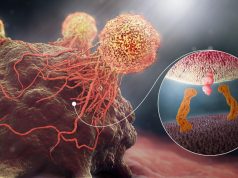
Immunotherapy is a type of cancer treatment that uses the body’s own immune system to fight cancer cells. The immune system is a complex network of cells, tissues, and organs that work together to defend the body against harmful pathogens, such as viruses and bacteria. Cancer cells are able to evade the immune system by producing proteins that prevent the immune system from recognizing them as foreign cells.
Also Read: Targeted Therapy: A More Precise Approach to Cancer Treatment
Immunotherapy works by boosting the immune system’s ability to recognize and attack cancer cells. There are several types of immunotherapy available, including checkpoint inhibitors, CAR T-cell therapy, and cancer vaccines.
Checkpoint inhibitors are drugs that block proteins that prevent immune cells from attacking cancer cells. CAR T-cell therapy involves modifying a patient’s T cells in a laboratory to target and kill cancer cells. Cancer vaccines are designed to stimulate the immune system to recognize and attack cancer cells.
Also Read: Radiation Therapy: What Patients Need to Know
How does Immunotherapy work?
Immunotherapy works by enhancing the body’s immune response to cancer cells. The immune system is able to identify and destroy abnormal cells, such as cancer cells, by recognizing specific proteins on the surface of these cells. Cancer cells can evade the immune system by producing proteins that prevent the immune system from recognizing them as foreign cells.
Immunotherapy works by blocking these proteins or by stimulating the immune system to attack cancer cells. For example, checkpoint inhibitors block proteins that prevent immune cells from attacking cancer cells. CAR T-cell therapy involves modifying a patient’s T cells in a laboratory to target and kill cancer cells. Cancer vaccines stimulate the immune system to recognize and attack cancer cells.
Also Read: Nutrition and Cancer: What You Need to Know
Types of Immunotherapy:
There are several types of immunotherapy available, including:
- Checkpoint inhibitors: Checkpoint inhibitors are drugs that block proteins that prevent immune cells from attacking cancer cells.
- CAR T-cell therapy: CAR T-cell therapy involves modifying a patient’s T cells in a laboratory to target and kill cancer cells.
- Cancer vaccines: Cancer vaccines are designed to stimulate the immune system to recognize and attack cancer cells.
- Immune system modulators: Immune system modulators are drugs that enhance the immune system’s ability to recognize and attack cancer cells.
- Monoclonal antibodies: Monoclonal antibodies are laboratory-made antibodies that target specific proteins in cancer cells.
Also Read: The Role of Imaging in Cancer Diagnosis and Treatment
Immunotherapy has revolutionized cancer treatment by harnessing the power of the immune system to fight cancer cells. It offers a promising treatment option for patients with various types of cancer and has shown impressive results in clinical trials. While there are different types of immunotherapy, including checkpoint inhibitors, CAR T-cell therapy, and cancer vaccines, they all work by stimulating the immune system to identify and attack cancer cells.
Although immunotherapy has many benefits, it also has some potential side effects that need to be monitored and managed. Patients may experience autoimmune reactions, such as inflammation of organs, skin rashes, and other symptoms.
Also Read: How Cancer is Diagnosed: The Tests and Procedures Involved
To maximize the benefits of immunotherapy and minimize the risks, patients need to work closely with their healthcare providers to determine the best treatment plan based on their individual needs and medical history.
With ongoing research and development, the field of immunotherapy continues to evolve, offering hope for many cancer patients who have exhausted other treatment options. As new drugs and treatment strategies emerge, the future of immunotherapy looks promising, and it will undoubtedly play a crucial role in the fight against cancer.


.)