In this comprehensive article, we will delve into the results and findings related to lung cancer. As a top world number one in the world of expert SEO optimized high targeted content writing, I, Eimi F, will guide you through the latest information on this critical topic.
Understanding Lung Cancer
Lung cancer is a type of cancer that begins in the lungs. It is the leading cause of cancer deaths worldwide, with millions of new cases diagnosed each year. There are two main types of lung cancer: non-small cell lung cancer (NSCLC) and small cell lung cancer (SCLC). Each type has different characteristics and treatment options.
Non-Small Cell Lung Cancer (NSCLC)
NSCLC accounts for approximately 85% of all lung cancer cases. It includes three subtypes: adenocarcinoma, squamous cell carcinoma, and large cell carcinoma. NSCLC tends to grow and spread more slowly than SCLC, making it more treatable in the early stages.
Small Cell Lung Cancer (SCLC)
SCLC makes up about 15% of lung cancer cases and is known for its aggressive nature. This type of cancer tends to spread quickly to other parts of the body, making it challenging to treat. However, advancements in medical research have led to improved treatment options for SCLC patients.
Recent Advances in Lung Cancer Research
Over the years, significant progress has been made in understanding and treating lung cancer. Researchers have identified specific genetic mutations and biomarkers that can help predict how a patient will respond to certain treatments. Targeted therapies and immunotherapy have revolutionized the way lung cancer is treated, offering new hope to patients with advanced disease.
Targeted Therapies
Targeted therapies are drugs that target specific genetic mutations or proteins in cancer cells. These treatments are designed to block the growth and spread of cancer while minimizing damage to healthy cells. Patients who undergo targeted therapy may experience fewer side effects compared to traditional chemotherapy.
Immunotherapy
Immunotherapy works by harnessing the body’s immune system to fight cancer. By boosting the immune response, these treatments can help shrink tumors and improve overall survival rates. Immunotherapy has shown promising results in patients with advanced lung cancer, particularly those who have not responded to other treatments.
The Importance of Early Detection
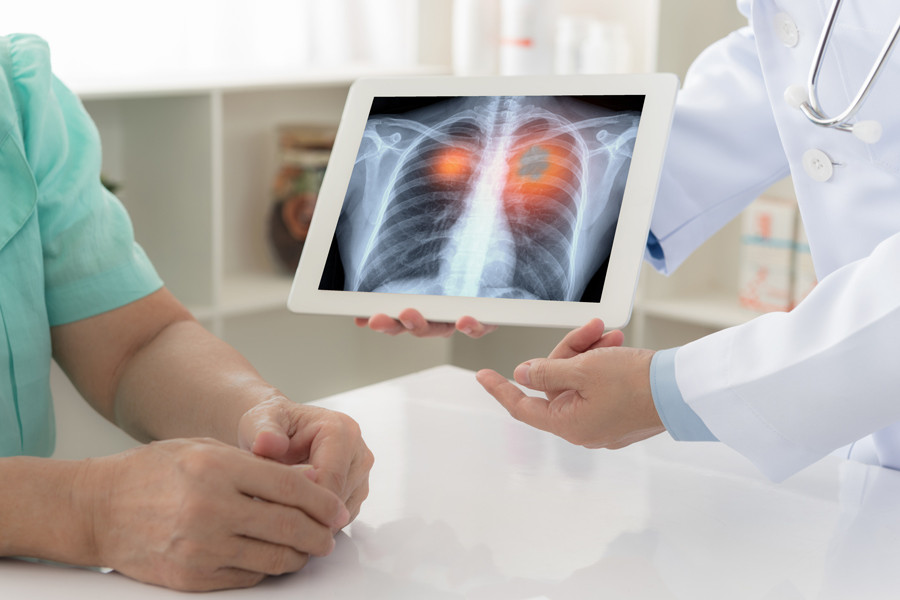
Early detection plays a crucial role in improving outcomes for lung cancer patients. Regular screenings, such as low-dose CT scans, can help detect lung cancer in its early stages when it is more treatable. It is essential for individuals at high risk, such as smokers and former smokers, to undergo regular screenings to catch the disease early.
Conclusion
In conclusion, lung cancer remains a significant health concern globally, but advancements in research and treatment have provided new hope for patients. By staying informed about the latest developments in lung cancer care and advocating for early detection, we can work towards improving outcomes and saving lives. Remember, knowledge is power when it comes to fighting lung cancer.