Cancerous – What is Bone Cancer? Bone cancer is a type of cancer that originates in the bone tissue or bone cells. Here is some general information related to bone cancer:
- Bone cancer can be either primary or secondary. Primary bone cancer originates in the bone, while secondary bone cancer spreads to the bone from other parts of the body (metastasis).
- The most common types of primary bone cancer include osteosarcoma, chondrosarcoma, and Ewing’s sarcoma.
- Symptoms of bone cancer may include pain in the affected bone, swelling, and fractures.
- Risk factors for bone cancer include age, family history of bone cancer, radiation exposure, and certain genetic conditions.
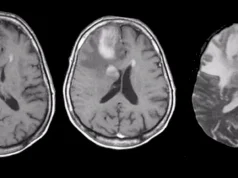
- Diagnosis of bone cancer may involve imaging tests, such as X-rays, CT scans, and MRI, as well as a biopsy to examine the affected tissue for cancer cells.
- Treatment for bone cancer may include surgery to remove the affected bone or chemotherapy and radiation therapy to kill cancer cells.
Also Read:
Type of Bone Cancer
There are several types of bone cancer. The most common types of primary bone cancer include:
- Osteosarcoma: Osteosarcoma is the most common type of bone cancer, and it usually affects children and young adults. It originates in the bone cells and often occurs in the long bones of the arms or legs.
- Chondrosarcoma: Chondrosarcoma is a type of bone cancer that originates in the cartilage cells. It is more common in adults and often affects the pelvis, thigh bone, or shoulder blade.
- Ewing’s sarcoma: Ewing’s sarcoma is a rare type of bone cancer that usually affects children and young adults. It originates in the bone or soft tissue and often occurs in the pelvis, thigh bone, or shin bone.
- Chordoma: Chordoma is a type of bone cancer that usually occurs in the bones of the spine and skull base. It originates in the notochord, a structure that forms during early fetal development.
- Osteoblastoma: Osteoblastoma is a rare type of bone cancer that usually affects young adults. It originates in the bone cells and often occurs in the spine or long bones of the arms or legs.
- Fibrosarcoma: Fibrosarcoma is a rare type of bone cancer that originates in the fibrous tissue of the bone. It is more common in adults and often affects the long bones of the legs or arms.
The treatment of bone cancer depends on the type, stage, and location of the cancer, as well as the patient’s age and overall health.
Also Read:
Stage of Bone Cancer
Bone cancer is usually staged using the TNM system, which stands for Tumor, Node, Metastasis. This system describes the size of the tumor (T), whether the cancer has spread to nearby lymph nodes (N), and whether the cancer has spread to other parts of the body (M).
The stage of bone cancer is determined by combining the T, N, and M classifications. The stages of bone cancer are:
- Stage 0: This stage refers to cancer that is only found in the bone and has not spread to other parts of the body.
- Stage I: This stage refers to cancer that is localized to the bone and has not spread to nearby lymph nodes or other parts of the body.
- Stage II: This stage refers to cancer that has grown larger and may have spread to nearby tissues, but has not yet spread to other parts of the body.
- Stage III: This stage refers to cancer that has spread to nearby lymph nodes and may have spread to other parts of the body.
- Stage IV: This stage refers to cancer that has spread to distant parts of the body, such as the lungs or liver.
The stage of bone cancer is important for determining the appropriate treatment options and predicting the patient’s prognosis.
Also Read:
What Are the Symptoms of Bone Cancer?
The symptoms of bone cancer can vary depending on the type and location of the cancer, as well as the stage of the disease. Some common symptoms of bone cancer include:
- Pain: Pain in the affected bone is the most common symptom of bone cancer. The pain may be dull or sharp and may be worse at night or during activity.
- Swelling: Swelling around the affected bone may occur, especially if the cancer is located in a limb.
- Fractures: Bone cancer can weaken the bone, making it more susceptible to fractures.
- Fatigue: Generalized weakness or fatigue may occur as the cancer progresses.
- Unintentional weight loss: Weight loss without trying may occur as the cancer progresses.
- Fever: A low-grade fever may occur in some cases.
- Other symptoms: Depending on the type and location of the cancer, other symptoms may occur, such as difficulty breathing if the cancer has spread to the lungs or neurological symptoms if the cancer has spread to the spine.
It is important to note that these symptoms can also be caused by other conditions, so it is important to see a doctor if you experience any persistent or unexplained symptoms.
Also Read:
What Are the Risk Factors for Bone Cancer?
The exact cause of bone cancer is unknown, but there are several factors that may increase a person’s risk of developing the disease. These risk factors include:
- Age: Bone cancer can occur at any age, but it is more commonly diagnosed in children and young adults, as well as in older adults over the age of 60.
- Gender: Some types of bone cancer, such as osteosarcoma, are more common in males, while other types, such as chondrosarcoma, are more common in females.
- Radiation therapy: Exposure to high doses of radiation, such as radiation therapy for previous cancer, can increase the risk of developing bone cancer.
- Genetic factors: Some genetic syndromes, such as Li-Fraumeni syndrome and hereditary retinoblastoma, increase the risk of developing bone cancer.
- Paget’s disease of bone: This condition, which causes abnormal bone growth and weakening, increases the risk of developing bone cancer.
- Chemical exposure: Exposure to certain chemicals, such as arsenic, can increase the risk of developing bone cancer.
- Bone marrow transplantation: People who have undergone bone marrow transplantation may have an increased risk of developing bone cancer.
It is important to note that having one or more risk factors does not necessarily mean that a person will develop bone cancer. Many people with bone cancer have no identifiable risk factors.
Also Read:
What Can I Do to Reduce My Risk of Bone Cancer?
There is no guaranteed way to prevent bone cancer, but there are some steps you can take to reduce your risk. Here are some tips:
- Maintain a healthy lifestyle: Eating a healthy diet, exercising regularly, and not smoking can help keep your bones and body healthy, reducing your overall risk of cancer.
- Avoid exposure to radiation: Avoid unnecessary exposure to radiation and always follow proper safety procedures when working with radiation or undergoing radiation therapy.
- Protect yourself from chemical exposure: Be aware of any chemicals you are exposed to in your workplace or home, and take steps to protect yourself if necessary.
- Consider genetic counseling: If you have a family history of bone cancer or a genetic syndrome that increases your risk, you may want to consider genetic counseling to better understand your risk and options for prevention.
- Early detection: If you experience any persistent or unexplained symptoms, such as bone pain or swelling, it is important to see a doctor promptly for evaluation and diagnosis.
Remember that while these steps may help reduce your risk of bone cancer, they do not guarantee prevention, and many cases of bone cancer have no identifiable cause or risk factors.
Also Read:
How Is Bone Cancer Diagnosed?
Bone cancer can be diagnosed through a combination of different tests and procedures. Here are some of the common methods used:
- Imaging tests: X-rays, CT scans, MRI scans, and bone scans can all help identify abnormalities in the bone, such as tumors.
- Biopsy: A biopsy involves taking a small sample of the affected bone tissue for examination under a microscope. This can help confirm the presence of cancer cells and determine the type of bone cancer.
- Blood tests: Blood tests can detect certain substances that are produced by bone tumors. While blood tests alone are not used to diagnose bone cancer, they can provide additional information to aid in the diagnosis.
- PET scan: A PET scan can help determine the extent of the cancer by highlighting areas of the bone that are actively growing, which is a common feature of cancerous cells.
If bone cancer is diagnosed, additional tests may be performed to determine the stage and grade of the cancer, as well as whether it has spread to other parts of the body. Your doctor will work with you to develop a treatment plan based on the type and stage of your cancer.
Also Read:
How Is Bone Cancer Treated?
The treatment for bone cancer depends on several factors such as the type and stage of cancer, the location of the tumor, and the patient’s overall health. Treatment for bone cancer usually involves one or more of the following methods:
- Surgery: Surgery is the most common treatment for bone cancer. The surgeon will remove the cancerous tumor and a margin of healthy tissue around it. In some cases, amputation of the affected limb may be necessary.
- Radiation therapy: Radiation therapy uses high-energy radiation to kill cancer cells. It is often used after surgery to kill any remaining cancer cells in the area.
- Chemotherapy: Chemotherapy uses drugs to kill cancer cells. It may be given before or after surgery, or in combination with radiation therapy.
- Targeted therapy: Targeted therapy uses drugs that specifically target certain molecules that are involved in the growth and spread of cancer cells.
- Immunotherapy: Immunotherapy is a type of treatment that stimulates the body’s immune system to fight cancer cells.
In some cases, a combination of these treatments may be used. Your doctor will work with you to develop a treatment plan that is tailored to your specific needs and circumstances. It’s important to keep in mind that bone cancer treatment can be complex and may require ongoing follow-up care to monitor for recurrence and manage any potential side effects of treatment.