



















Targeted Therapy in Pediatric Oncology: A Revolutionary Paradigm Shift
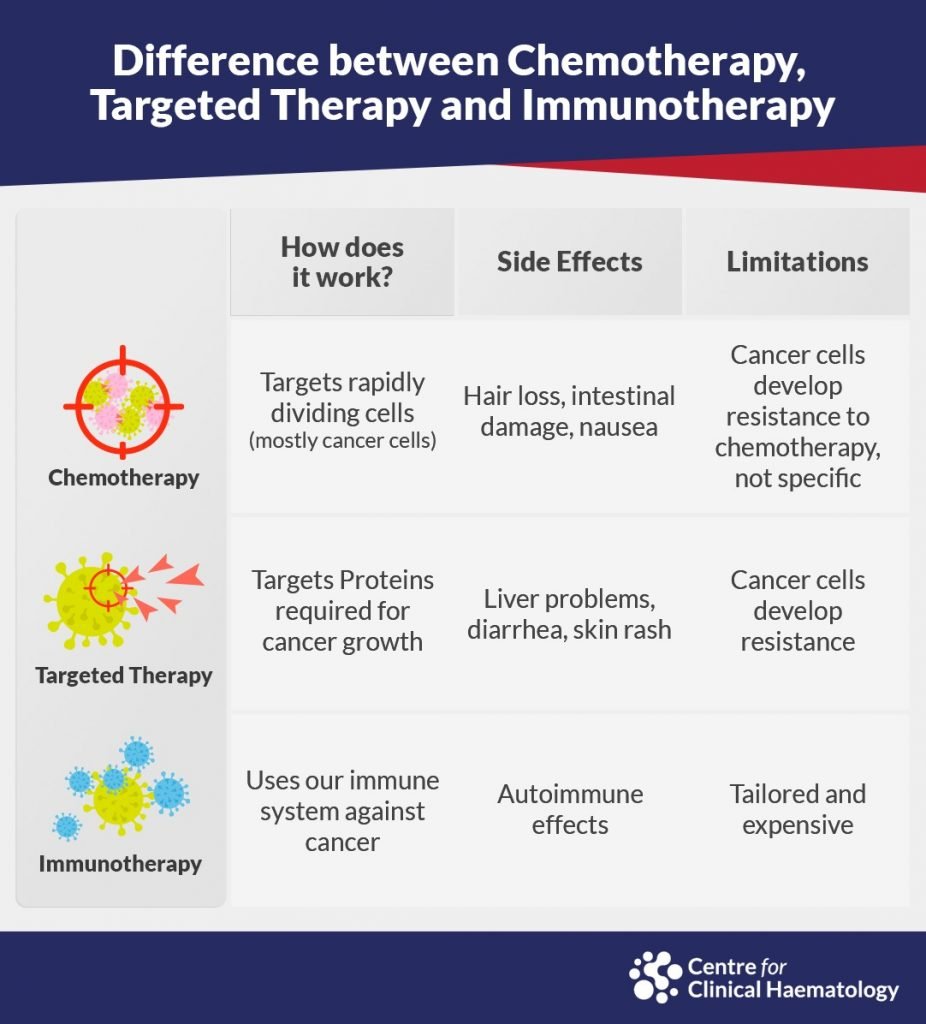
Targeted therapy has emerged as a groundbreaking approach in pediatric oncology, transforming the treatment landscape and offering hope to countless young patients. Unlike traditional chemotherapy, which broadly attacks all rapidly dividing cells, targeted therapies selectively target specific molecular abnormalities responsible for cancer growth.
Molecular Basis of Targeted Therapy:
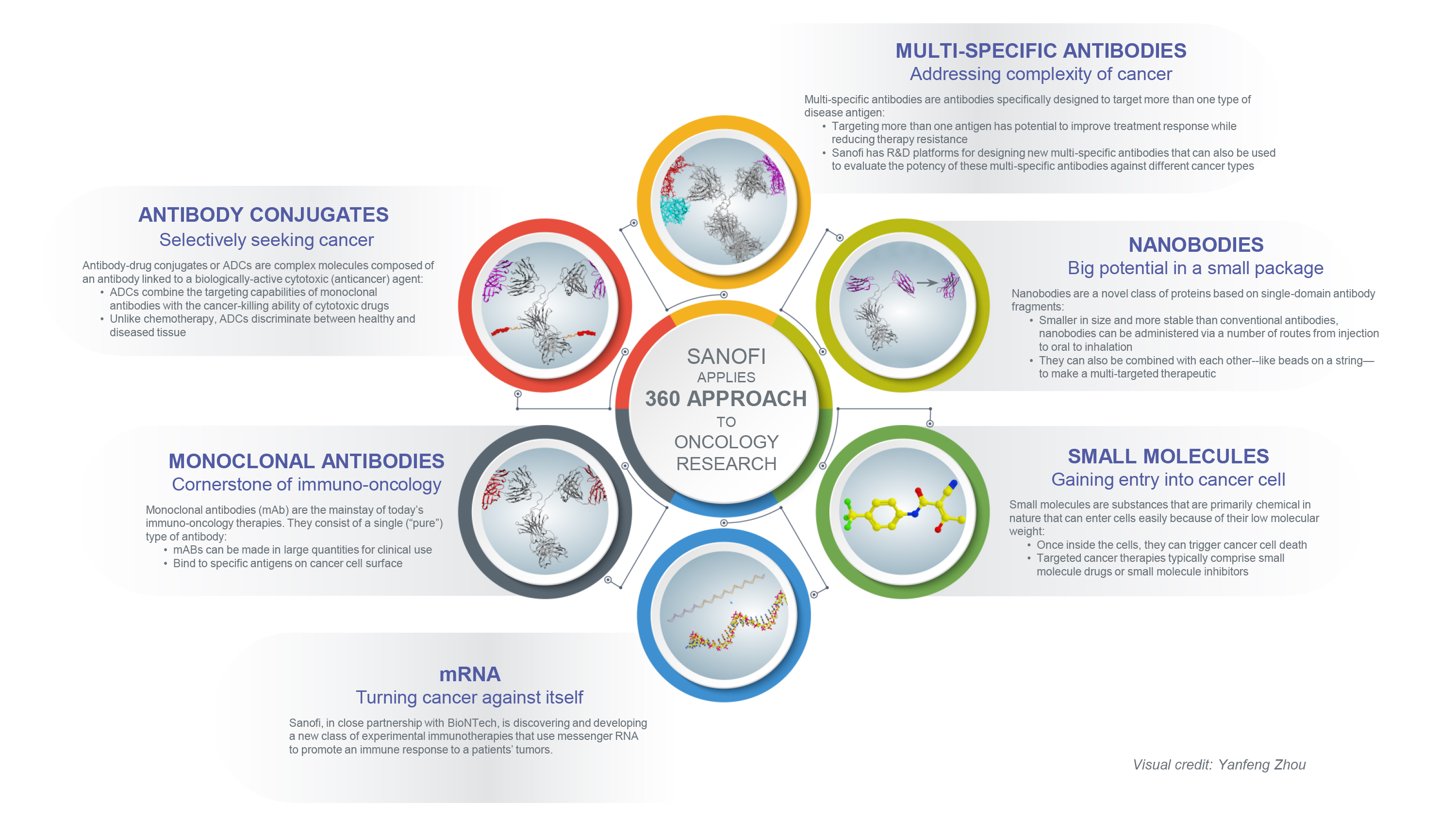
Pediatric cancers often harbor specific genetic alterations, such as mutations, gene amplifications, or rearrangements. These alterations drive cancer progression by activating oncogenic pathways or evading tumor suppression mechanisms. Targeted therapies exploit these vulnerabilities by inhibiting key molecular targets or signaling pathways involved in cancer growth and spread.
Examples of Targeted Therapies in Pediatric Oncology:
- Imatinib for chronic myeloid leukemia (CML): Targets the BCR-ABL1 fusion protein, which drives uncontrolled cell growth in CML.
- Dasatinib for acute lymphoblastic leukemia (ALL): Inhibits the tyrosine kinase BCR-ABL1, which is frequently mutated in ALL.
- Vemurafenib for melanoma: Targets the BRAF V600E mutation, which promotes uncontrolled cell growth in melanoma.
- Trastuzumab for HER2-positive breast cancer: Blocks the HER2 receptor, which is overexpressed in some breast cancers.
Benefits of Targeted Therapy:
- Increased Efficacy: Targeted therapies are highly effective against specific cancers harboring the corresponding molecular target.
- Reduced Toxicity: By selectively targeting cancer cells, targeted therapies minimize the damage to healthy tissues, leading to reduced side effects.
- Improved Patient Outcomes: Targeted therapy has significantly improved survival rates and reduced disease recurrence in many pediatric cancers.
- Personalized Treatment: Molecular profiling of tumors allows for the identification of targetable mutations and optimization of treatment strategies for each patient.
Challenges and Limitations:
- Resistance Development: Cancer cells can evolve to develop resistance mechanisms against targeted therapies.
- Limited Target Availability: Not all pediatric cancers have well-defined molecular targets that can be effectively targeted.
- Cost Considerations: Targeted therapies can be expensive, posing financial challenges to patients and families.
Future Directions:
Research in pediatric oncology continues to identify novel molecular targets and develop more effective targeted therapies. Precision medicine approaches, which combine molecular profiling with tailored treatment plans, are expected to further revolutionize care. Immunotherapy and CAR T-cell therapy are also promising avenues for targeting pediatric cancers.
Conclusion:
Targeted therapy has revolutionized pediatric oncology by providing highly effective and less toxic treatment options. By exploiting specific molecular vulnerabilities, targeted therapies have improved patient outcomes and personalized treatment strategies. As research continues to unravel the molecular landscape of pediatric cancers, the future holds great promise for even more innovative and effective therapies.## How Targeted Therapy Is Revolutionizing Pediatric Oncology
Executive Summary
Targeted therapy is a revolutionary approach to treating pediatric cancer. By targeting specific genetic mutations and molecular pathways that drive tumor growth, targeted therapy drugs can eliminate cancer cells while sparing healthy tissue. This approach has led to remarkable improvements in survival rates and quality of life for children with cancer.
Introduction
Pediatric cancer is not one disease, but a complex group of diseases characterized by the uncontrolled growth of abnormal cells in children. In recent years, advances in genetic research have led to a better understanding of the molecular mechanisms underlying pediatric cancer. This has paved the way for the development of targeted therapy drugs that specifically target these molecular abnormalities.
FAQs
Q: What is targeted therapy?
A: Targeted therapy is a treatment approach that uses drugs to specifically target and inhibit the growth and spread of cancer cells.
Q: How is targeted therapy different from traditional chemotherapy?
A: Traditional chemotherapy drugs kill cancer cells by damaging their DNA, which can also harm healthy cells. Targeted therapy drugs, on the other hand, are designed to block specific proteins or pathways that are essential for cancer cell growth, minimizing damage to healthy tissue.
Q: What are some examples of targeted therapy drugs?
A: Imatinib (Gleevec), crizotinib (Xalkori), and trametinib (Mekinist) are examples of targeted therapy drugs that are used to treat pediatric cancers, such as leukemia, lung cancer, and melanoma, respectively.
Subtopics
Precision Medicine
- Genetic testing is used to identify specific genetic mutations and molecular pathways that are driving tumor growth.
- Treatment is then tailored to the individual patient’s tumor profile, increasing effectiveness and reducing side effects.
Immunotherapy
- Drugs known as checkpoint inhibitors are used to boost the immune system’s ability to recognize and attack cancer cells.
- This approach has shown promise in treating certain types of pediatric cancer, such as neuroblastoma and acute lymphoblastic leukemia.
Anti-Angiogenic Therapy
- These drugs target blood vessel formation, cutting off the blood supply to tumors and preventing their growth and metastasis.
- Bevacizumab (Avastin) is an example of an anti-angiogenic drug used in pediatric oncology.
Proteasome Inhibitors
- These drugs target the proteasome, a cellular structure that degrades proteins, including those involved in cancer cell growth.
- Bortezomib (Velcade) is a proteasome inhibitor used in the treatment of pediatric multiple myeloma.
MAPK Pathway Inhibitors
- These drugs target the mitogen-activated protein kinase (MAPK) pathway, which plays a role in regulating cell growth and differentiation.
- Trametinib (Mekinist) and selumetinib (Koselugo) are MAPK pathway inhibitors used in pediatric melanoma and neurofibromatosis, respectively.
Conclusion
Targeted therapy has revolutionized the treatment of pediatric cancer. By precisely targeting the molecular mechanisms that drive tumor growth, targeted therapy drugs have dramatically improved survival rates and reduced treatment-related side effects. As research continues to identify new molecular targets, the future of pediatric oncology looks promising, with the potential for even more effective and personalized treatments.
Keyword Tags
- Pediatric cancer
- Targeted therapy
- Precision medicine
- Immunotherapy
- Molecular profiling
