Cancer Diagnosis: Understanding the Importance of Early Detection and Diagnosis
Introduction:
Cancer is a complex disease that can affect anyone, regardless of age, gender, or ethnicity. Understanding the importance of early detection and diagnosis is crucial for improving outcomes and increasing the chances of successful treatment. This article aims to provide insights into cancer diagnosis, including the signs and symptoms to watch out for, the diagnostic tests and procedures involved, and the importance of seeking professional medical advice promptly.
What is Cancer?
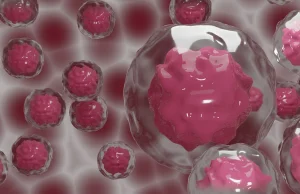
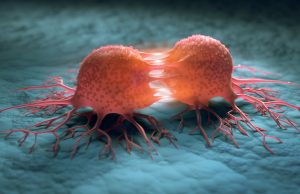
Cancer is a term used to describe a group of diseases characterized by the uncontrolled growth and spread of abnormal cells in the body. These abnormal cells can originate from any part of the body, forming tumors that can invade surrounding tissues and organs. Cancer can manifest in various forms, depending on the affected area and type of cells involved.
Signs and Symptoms of Cancer:
Recognizing the signs and symptoms of cancer is essential for early detection. Some common symptoms may include:
- Persistent cough or hoarseness
- Unusual lumps or thickening in the breast or other body parts
- Changes in bowel or bladder habits
- Unexplained weight loss or gain
- Fatigue and loss of energy
- Persistent pain or discomfort
Diagnostic Tests and Procedures:
If you experience any of the symptoms mentioned above, it is important to seek medical attention promptly. Your doctor may recommend various tests and procedures to confirm a cancer diagnosis and determine the stage and extent of the disease. Some common diagnostic tests include:
- Physical examination: Your doctor will perform a physical examination to check for any abnormalities, such as lumps or swelling.
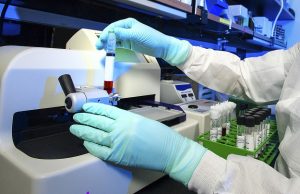
- Blood tests: Blood tests can detect certain cancer-related markers or changes in blood cell counts.
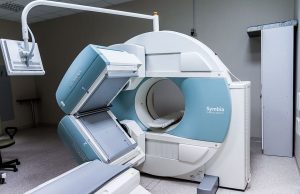
- Imaging tests: Imaging tests, such as X-rays, CT scans, or MRIs, can help visualize internal organs and tissues to detect tumors or other abnormalities.
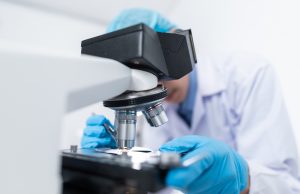
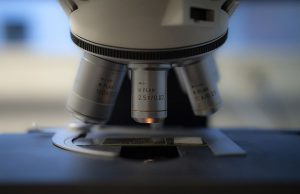
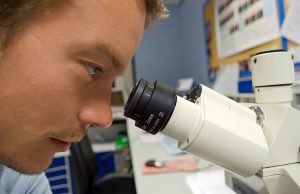
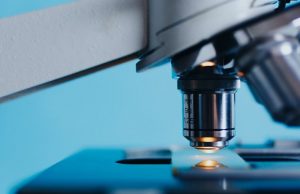
- Biopsy: A biopsy involves removing a small sample of tissue from the suspected area for examination under a microscope to confirm the presence of cancer cells.
Importance of Early Detection and Diagnosis:
Early detection and diagnosis of cancer are crucial for several reasons:
- Increased treatment options: Early diagnosis often leads to more treatment options and better outcomes.
- Improved prognosis: Early treatment can increase the chances of successful treatment and improve the overall prognosis.
- Reduced risk of complications: Prompt diagnosis and treatment can help reduce the risk of complications, such as metastasis (spread of cancer to other parts of the body), pain, and other symptoms.
- Improved quality of life: Early intervention can help maintain a better quality of life for cancer patients by reducing the burden of symptoms and improving overall health.
Conclusion:
Cancer diagnosis is an important step in the journey of cancer care. Understanding the signs and symptoms, the diagnostic tests and procedures involved, and the importance of early detection is crucial for increasing the chances of successful treatment and improving outcomes. If you experience any concerning symptoms, do not hesitate to seek medical attention promptly. Early detection and diagnosis can empower you to take control of your health and make informed decisions about your treatment options. Remember, knowledge is power in the fight against cancer.
Related Keywords:
- Cancer Screening
- Cancer Treatment
- Cancer Prevention
- Cancer Symptoms
- Cancer Diagnosis