Cancerous.EU – What is Brain Cancer? Brain cancer, also known as a primary brain tumor, is a condition in which abnormal cells form within the brain or the tissues that surround it. These abnormal cells can grow and divide uncontrollably, forming a mass or a tumor that can interfere with normal brain function.
There are several types of brain tumors, including gliomas, meningiomas, pituitary adenomas, and others. Some brain tumors are benign and do not spread to other parts of the body, while others are malignant and can spread to other organs and tissues.
The symptoms of brain cancer can vary depending on the location and size of the tumor. Some common symptoms include headaches, seizures, changes in vision, speech difficulties, and personality changes. Treatment for brain cancer may involve surgery, radiation therapy, chemotherapy, or a combination of these approaches. The best treatment option will depend on several factors, including the type and location of the tumor, as well as the patient’s overall health and medical history.
Also Read: What is Cancer?
Type of Brain Cancer
There are many different types of brain cancer, and they are classified based on the type of cells that are affected. Some of the most common types of brain cancer include:
- Gliomas: These are tumors that form from glial cells, which are cells that provide support and protection for the nerve cells in the brain. Gliomas are the most common type of brain cancer, and they can be further classified into different subtypes, such as astrocytomas, oligodendrogliomas, and ependymomas.
- Meningiomas: These are tumors that form in the meninges, which are the layers of tissue that surround the brain and spinal cord. Meningiomas are usually slow-growing and often benign.
- Pituitary adenomas: These are tumors that form in the pituitary gland, which is located at the base of the brain. Pituitary adenomas can cause hormonal imbalances and other symptoms.
- Medulloblastomas: These are tumors that form in the cerebellum, which is the part of the brain that controls movement and coordination. Medulloblastomas are most commonly diagnosed in children.
- Primary central nervous system lymphoma (PCNSL): This is a type of cancer that affects the lymphatic system in the brain and spinal cord. PCNSL is rare and often occurs in people with weakened immune systems.
Other types of brain cancer include chordomas, craniopharyngiomas, and schwannomas. The specific type of brain cancer a person has can impact their treatment options and prognosis.
Also Read: What is Cervical Cancer?
Stage of Brain Cancer
Brain cancer is typically not staged in the same way as other types of cancer, such as breast or lung cancer. Instead, brain tumors are graded based on how abnormal the cells appear under a microscope and how quickly the cells are dividing. This grading system is known as the World Health Organization (WHO) grading system and ranges from grade I to grade IV.
Grade I: These tumors are usually slow-growing and have cells that appear relatively normal under a microscope.
Grade II: These tumors are also slow-growing, but the cells appear slightly more abnormal than those in grade I tumors.
Grade III: These tumors are faster-growing and have cells that look even more abnormal than those in grade II tumors.
Grade IV: These tumors are the most aggressive and fast-growing. The cells look very abnormal and are actively dividing.
The grade of the tumor can help doctors determine the best course of treatment and provide a general idea of the tumor’s prognosis. However, it’s important to note that each case of brain cancer is unique and individual factors, such as the tumor’s location, the patient’s overall health, and their response to treatment, can also impact the outcome.
Also Read: What is Ovarian Cancer?
What Are the Symptoms of Brain Cancer?
The symptoms of brain cancer can vary depending on the location and size of the tumor, as well as the rate of its growth. Some common symptoms of brain cancer include:
- Headaches: A persistent headache that is often worse in the morning and may be accompanied by vomiting can be a symptom of brain cancer.
- Seizures: Seizures are caused by abnormal electrical activity in the brain and can be a symptom of brain cancer, especially if they occur in someone who does not have a history of seizures.
- Changes in vision: Brain tumors that affect the optic nerve or other parts of the visual system can cause blurry vision, double vision, or loss of vision in one or both eyes.
- Changes in speech or hearing: Brain tumors that affect the areas of the brain responsible for language or hearing can cause difficulty speaking or understanding speech, as well as ringing in the ears or hearing loss.
- Weakness or numbness: Brain tumors that affect the motor cortex or other parts of the brain can cause weakness or numbness in one side of the body.
- Changes in mood or personality: Brain tumors can cause changes in mood, behavior, or personality, such as depression, anxiety, or aggression.
It’s important to note that these symptoms can also be caused by other conditions, so if you are experiencing any of these symptoms, it’s important to see a doctor for a proper diagnosis.
Also Read: What is Pancreatic Cancer?
What Are the Risk Factors for Brain Cancer?
The exact causes of brain cancer are not known, but there are certain factors that may increase a person’s risk of developing the disease. Some common risk factors for brain cancer include:
- Age: Brain cancer can occur at any age, but it is more common in adults over the age of 50.
- Gender: Some types of brain cancer, such as meningiomas, are more common in women, while others, such as glioblastomas, are more common in men.
- Family history: In some cases, brain cancer may run in families, suggesting that there may be a genetic component to the disease.
- Exposure to radiation: People who have been exposed to high levels of radiation, such as those who have undergone radiation therapy for other types of cancer, may be at increased risk of developing brain cancer.
- Exposure to chemicals: Some chemicals, such as vinyl chloride and formaldehyde, have been linked to an increased risk of brain cancer.
- Weakened immune system: People with weakened immune systems, such as those with HIV/AIDS or who have undergone organ transplantation, may be at increased risk of developing brain cancer.
It’s important to note that having one or more of these risk factors does not necessarily mean that a person will develop brain cancer. Many people who develop brain cancer have no known risk factors.
Also Read: What is Lymphoma?
What Can I Do to Reduce My Risk of Brain Cancer?
There is no guaranteed way to prevent brain cancer, but there are some steps you can take to reduce your risk of developing the disease:
- Protect yourself from radiation: Limit your exposure to radiation whenever possible. If you work in an industry that exposes you to radiation, make sure you follow all safety protocols.
- Avoid exposure to harmful chemicals: Try to limit your exposure to chemicals that have been linked to an increased risk of brain cancer, such as vinyl chloride and formaldehyde.
- Wear protective headgear: If you engage in activities that could result in a head injury, such as contact sports or cycling, always wear a helmet.
- Maintain a healthy lifestyle: Eating a healthy diet, getting regular exercise, and not smoking may help reduce your risk of developing many types of cancer, including brain cancer.
- Check your family history: If you have a family history of brain cancer, talk to your doctor about whether you should undergo genetic counseling or screening tests.
It’s important to note that while these steps may help reduce your risk of developing brain cancer, they cannot guarantee that you will not develop the disease. It’s also important to be aware of the symptoms of brain cancer and to see a doctor if you experience any concerning symptoms, regardless of whether or not you have any known risk factors.
Also Read:
How Is Brain Cancer Diagnosed?
Brain cancer can be diagnosed through a combination of physical examination, imaging tests, and biopsy. The process typically begins with a visit to a doctor or a specialist such as a neurologist or neurosurgeon.
- Physical examination: The doctor will perform a physical examination, including a neurological exam to check for any abnormalities in the nervous system.
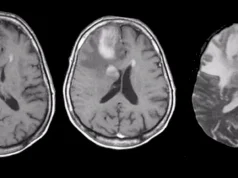
- Imaging tests: Imaging tests such as MRI, CT, and PET scans can provide detailed images of the brain and help identify any abnormalities that may be indicative of a brain tumor.
- Biopsy: If imaging tests suggest the presence of a brain tumor, a biopsy may be performed to remove a small sample of tissue from the tumor for analysis. The sample is usually examined under a microscope to determine if it is cancerous, and if so, what type of cancer it is.
- Blood tests: Blood tests may be done to rule out other conditions that could be causing the symptoms, such as infections or autoimmune disorders.
- Other tests: In some cases, additional tests such as an electroencephalogram (EEG) or a spinal tap may be done to help diagnose brain cancer.
It’s important to note that the diagnosis of brain cancer can be complex and may involve a team of specialists working together to determine the best course of treatment.
Also Read:
- What is Bladder Cancer?
- What is Skin Cancer?
- What is Colorectal Cancer?
- What is Prostate Cancer?
- What is Lung Cancer?
How Is Brain Cancer Treated?
The treatment for brain cancer depends on the type, location, size, and stage of the tumor, as well as the overall health of the patient. In general, the main treatment options for brain cancer include:
- Surgery: Surgery may be used to remove all or part of the tumor. This is often the first line of treatment for brain cancer, especially for tumors that are located in areas of the brain that are easily accessible by surgery. If the tumor cannot be completely removed, surgery may still be done to reduce the size of the tumor and relieve symptoms.
- Radiation therapy: Radiation therapy uses high-energy beams of radiation to destroy cancer cells. This may be done after surgery to kill any remaining cancer cells, or as the primary treatment for tumors that cannot be removed with surgery.
- Chemotherapy: Chemotherapy uses drugs to kill cancer cells. Chemotherapy may be given orally, through an IV, or directly into the cerebrospinal fluid. This may be used in combination with radiation therapy, especially for more aggressive types of brain cancer.
- Targeted therapy: Targeted therapy uses drugs or other substances that specifically target the cancer cells while minimizing damage to normal cells. This may be used in combination with other treatments.
- Immunotherapy: Immunotherapy uses the body’s immune system to attack cancer cells. This may involve the use of drugs that stimulate the immune system or genetically engineering the patient’s own immune cells to attack the cancer cells.
The choice of treatment will depend on a number of factors, including the type and stage of the cancer, the patient’s overall health, and the potential side effects of the treatment. Treatment for brain cancer often involves a combination of these approaches. It’s important to work closely with a team of healthcare professionals to determine the best course of treatment for your specific situation.