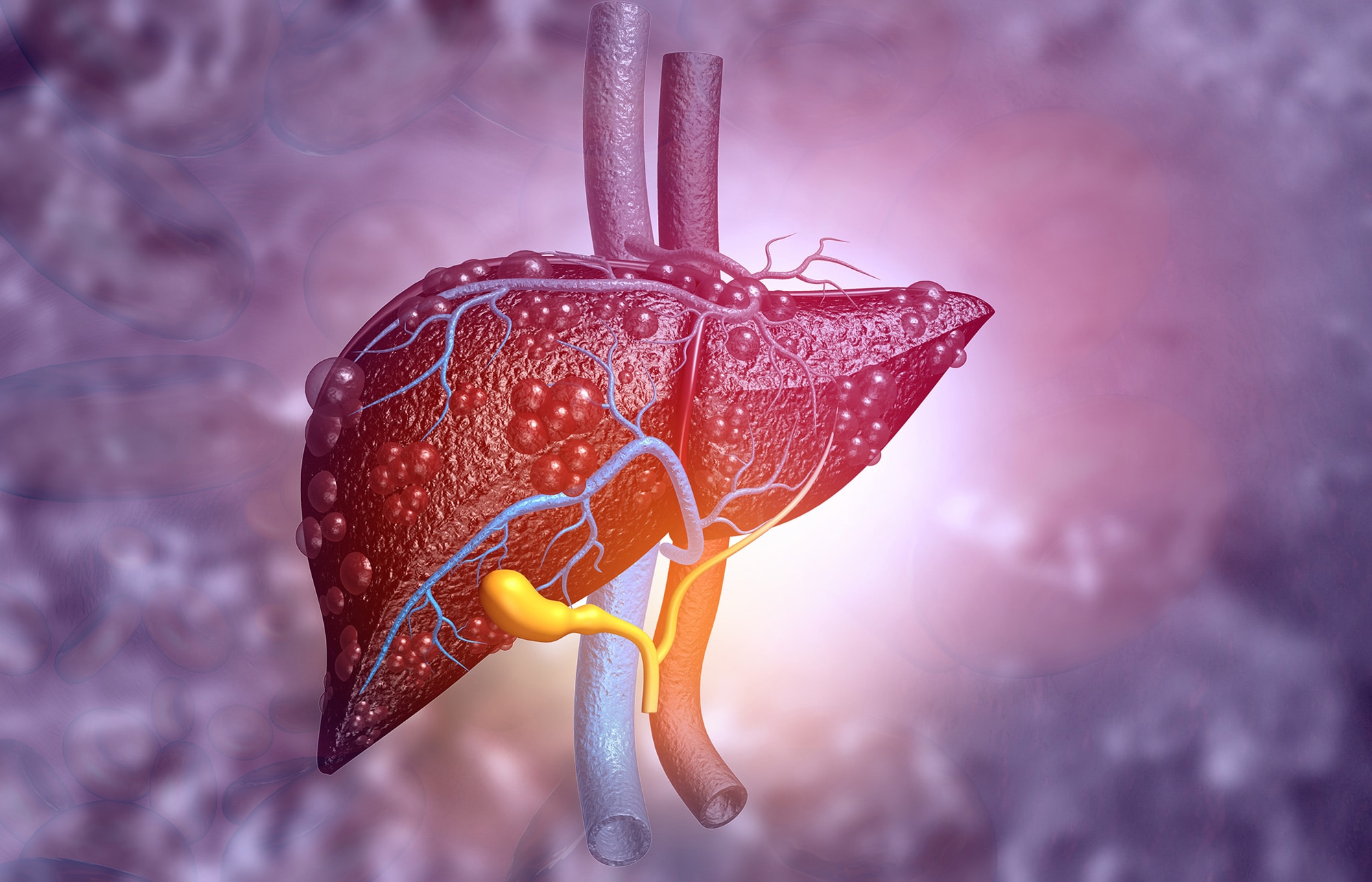
Cancerous.EU – What is Liver Cancer? Liver cancer, also known as hepatic cancer, is a type of cancer that originates in the liver. The liver is a vital organ that performs many important functions, including processing nutrients and filtering toxins from the blood. When cancer cells grow uncontrollably in the liver, it can interfere with its normal functioning and potentially spread to other parts of the body.
Liver cancer is more common in people with certain risk factors, such as chronic hepatitis B or C infections, heavy alcohol use, obesity, and exposure to certain chemicals. Symptoms of liver cancer can include abdominal pain, nausea, vomiting, jaundice, and unexplained weight loss. Treatment options for liver cancer may include surgery, radiation therapy, chemotherapy, or targeted therapy, depending on the type and stage of cancer.
Also Read: What is Cancer?
Type of Liver Cancer
There are several types of liver cancer, but the two most common types are:
- Hepatocellular carcinoma (HCC): This is the most common type of liver cancer and accounts for about 75% of all cases. HCC starts in the hepatocytes, which are the main type of liver cells that perform most of the liver’s functions. This type of liver cancer is often associated with chronic liver diseases, such as hepatitis B or C, cirrhosis, or alcohol-related liver disease.
- Intrahepatic cholangiocarcinoma (ICC): This type of liver cancer starts in the cells that line the bile ducts within the liver. ICC is less common than HCC, but its incidence is increasing in many countries. It is often associated with chronic inflammation of the bile ducts, such as that caused by primary sclerosing cholangitis (PSC).
Also Read: What is Brain Cancer?
There are also other, less common types of liver cancer, including:
- Angiosarcoma: This rare type of liver cancer starts in the cells that line the blood vessels within the liver.
- Hepatoblastoma: This is a rare type of liver cancer that usually affects children under the age of 3. It starts in the cells that form the liver during fetal development.
- Fibrolamellar carcinoma: This is a rare subtype of HCC that occurs in young adults and is characterized by a distinct appearance under the microscope.
The treatment options for liver cancer depend on the type and stage of the cancer, as well as the overall health of the patient.
Also Read: What is Cervical Cancer?
Stage of Liver Cancer
Liver cancer is typically staged based on the size of the tumor and how far it has spread within the liver, as well as whether it has spread to other parts of the body. The most commonly used staging system for liver cancer is the Barcelona Clinic Liver Cancer (BCLC) staging system. The BCLC staging system is based on several factors, including:
- The size of the tumor
- The number of tumors
- Whether the cancer has spread outside the liver
- The function of the liver
Also Read: What is Ovarian Cancer?
The BCLC staging system categorizes liver cancer into several stages:
- Stage 0: Early-stage liver cancer that is confined to a single small tumor and has not spread to nearby blood vessels or lymph nodes.
- Stage A: Early-stage liver cancer with either a single tumor that is larger or multiple tumors that are all smaller than 5 cm in size. The cancer has not spread outside the liver and the liver is functioning well.
- Stage B: Intermediate-stage liver cancer that may involve several tumors or a single tumor larger than 5 cm in size. The cancer may have spread to nearby blood vessels or lymph nodes, but the liver is still functioning well.
- Stage C: Advanced-stage liver cancer that has either spread to nearby organs or blood vessels or has caused severe liver dysfunction. The cancer may involve multiple tumors of any size.
- Stage D: End-stage liver cancer that has spread to distant parts of the body and cannot be treated with curative intent.
The stage of the liver cancer helps doctors determine the best course of treatment and the patient’s prognosis.
Also Read: What is Pancreatic Cancer?
What Are the Symptoms of Liver Cancer?
In its early stages, liver cancer may not cause any symptoms, or the symptoms may be vague and non-specific. As the cancer grows and progresses, however, it can cause a variety of symptoms, including:
- Abdominal pain or discomfort, especially in the upper right part of the abdomen
- Swelling or bloating in the abdomen
- Loss of appetite or feeling full after eating small amounts of food
- Unintended weight loss
- Nausea and vomiting
- Jaundice, which causes yellowing of the skin and eyes, dark urine, and light-colored stools
- Fatigue or weakness
- Easy bruising or bleeding
- Itching
- Enlarged liver or spleen
These symptoms can also be caused by other conditions, so it’s important to see a doctor for an accurate diagnosis. People with a higher risk of liver cancer, such as those with chronic liver diseases or a family history of liver cancer, should talk to their doctor about regular screening tests to help detect liver cancer early, when it is more treatable.
Also Read: What is Lymphoma?
What Are the Risk Factors for Liver Cancer?
Several factors can increase a person’s risk of developing liver cancer, including:
- Chronic viral hepatitis: Chronic infection with the hepatitis B or C virus is the leading risk factor for liver cancer. These viruses can cause long-term liver damage and inflammation, which can lead to the development of liver cancer over time.
- Cirrhosis: Cirrhosis is a scarring of the liver that can occur as a result of chronic liver diseases, such as hepatitis B or C, alcohol-related liver disease, or nonalcoholic fatty liver disease. People with cirrhosis are at higher risk for liver cancer.
- Alcohol consumption: Heavy alcohol consumption over many years can cause liver damage and increase the risk of developing liver cancer.
- Obesity and diabetes: People who are overweight or obese, or who have type 2 diabetes, are at higher risk of developing liver cancer, possibly due to the increased risk of developing nonalcoholic fatty liver disease.
- Family history: Liver cancer can sometimes run in families, and people with a close relative who has had liver cancer are at higher risk of developing the disease themselves.
- Exposure to certain chemicals: Exposure to certain chemicals, such as aflatoxins (toxins produced by a fungus that can contaminate foods such as peanuts, corn, and soybeans) and vinyl chloride (used in the manufacture of plastics), can increase the risk of liver cancer.
- Gender and age: Men are more likely than women to develop liver cancer, and the risk increases with age.
Knowing these risk factors can help people take steps to reduce their risk of developing liver cancer, such as getting vaccinated against hepatitis B, limiting alcohol consumption, maintaining a healthy weight, and getting screened for liver cancer if they are at higher risk.
Also Read: What is Leukemia?
What Can I Do to Reduce My Risk of Liver Cancer?
There are several steps you can take to reduce your risk of liver cancer, including:
- Get vaccinated against hepatitis B: The hepatitis B virus is a major risk factor for liver cancer. Getting vaccinated against hepatitis B can help protect you from the virus and reduce your risk of liver cancer.
- Practice safe sex: Hepatitis B and C can be transmitted sexually, so practicing safe sex can help reduce your risk of these viruses.
- Limit alcohol consumption: Heavy alcohol consumption can cause liver damage and increase your risk of liver cancer. Limiting your alcohol consumption or avoiding it altogether can help reduce your risk.
- Maintain a healthy weight: Being overweight or obese increases your risk of liver cancer, so maintaining a healthy weight through a balanced diet and regular exercise can help reduce your risk.
- Get screened for liver cancer: If you are at high risk of developing liver cancer, such as if you have chronic viral hepatitis or cirrhosis, your doctor may recommend regular screening tests to detect liver cancer early, when it is more treatable.
- Avoid exposure to toxins: Exposure to certain toxins, such as aflatoxins (found in contaminated foods) and vinyl chloride (used in plastics manufacturing), can increase your risk of liver cancer. Avoiding exposure to these toxins can help reduce your risk.
- Treat underlying liver conditions: If you have chronic viral hepatitis or cirrhosis, it’s important to get appropriate medical care and treatment to manage these conditions and reduce your risk of developing liver cancer.
By taking these steps, you can help reduce your risk of developing liver cancer and maintain a healthy liver.
Also Read:
How Is Liver Cancer Diagnosed?
Liver cancer can be diagnosed through various tests and procedures, including:
- Blood tests: Blood tests can help identify markers of liver cancer, such as alpha-fetoprotein (AFP) and des-gamma-carboxy prothrombin (DCP). However, these markers may also be elevated in other conditions, so they are not always definitive for liver cancer.
- Imaging tests: Imaging tests, such as ultrasound, CT scan, or MRI, can help identify tumors or abnormalities in the liver. These tests can also help determine the size and location of the tumors, and whether they have spread to other parts of the body.
- Biopsy: A biopsy involves removing a small sample of tissue from the liver and examining it under a microscope for signs of cancer. A biopsy can help confirm a diagnosis of liver cancer and determine the type of cancer.
- Endoscopy: Endoscopy involves inserting a flexible tube with a camera through the mouth and down into the stomach to examine the esophagus, stomach, and duodenum (first part of the small intestine). This procedure can help detect any tumors or abnormalities in the upper digestive tract, including the liver.
- Laparoscopy: Laparoscopy involves inserting a thin, lighted tube through a small incision in the abdomen to examine the liver and other organs. This procedure may be used to obtain a biopsy or to determine the extent of the cancer.
Once liver cancer is diagnosed, further tests may be done to determine the stage of the cancer and whether it has spread to other parts of the body. This information can help doctors develop an appropriate treatment plan.
Also Read:
- What is Bladder Cancer?
- What is Skin Cancer?
- What is Colorectal Cancer?
- What is Prostate Cancer?
- What is Lung Cancer?
How Is Liver Cancer Treated?
The treatment of liver cancer depends on the type and stage of the cancer, as well as the overall health of the patient. Some common treatments for liver cancer include:
- Surgery: Surgery may be an option for early-stage liver cancer, in which the tumor is small and has not spread to other parts of the liver or body. Surgical options may include a partial hepatectomy (removal of part of the liver) or a liver transplant.
- Ablation therapy: Ablation therapy involves using heat, cold, or chemicals to destroy cancer cells. This may be an option for small tumors or for those who are not able to undergo surgery.
- Radiation therapy: Radiation therapy uses high-energy X-rays or other types of radiation to destroy cancer cells. It may be used alone or in combination with other treatments.
- Chemotherapy: Chemotherapy involves using drugs to kill cancer cells. It may be given orally or intravenously, and may be used alone or in combination with other treatments.
- Targeted therapy: Targeted therapy involves using drugs that specifically target certain proteins or genes that help cancer cells grow. It may be used in combination with other treatments.
- Immunotherapy: Immunotherapy involves using drugs to help the immune system recognize and attack cancer cells. It may be used in combination with other treatments.
In some cases, a combination of treatments may be used. The goal of treatment is to remove or destroy as much of the cancer as possible while minimizing the impact on healthy liver tissue. After treatment, regular follow-up care is important to monitor for any signs of recurrence and manage any side effects of treatment.