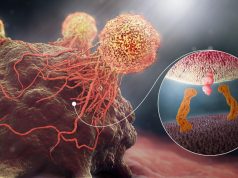
Cancerous – The Role of Genetics in Cancer: How Inherited Traits Influence Risk. Cancer is a complex disease that can be caused by various factors, including genetics. Inherited genetic mutations can increase an individual’s risk of developing certain types of cancer. Understanding the role of genetics in cancer can help people take steps to reduce their risk or detect cancer early, when treatment is most effective.
Genes are segments of DNA that contain instructions for the body to perform specific functions. Mutations or changes in these genes can disrupt normal cellular processes and lead to the development of cancer. Some mutations are inherited from parents, while others occur spontaneously during a person’s lifetime.
Certain inherited genetic mutations are associated with an increased risk of developing cancer. For example, mutations in the BRCA1 and BRCA2 genes are known to increase the risk of breast and ovarian cancer. Mutations in the APC gene are associated with an increased risk of colon cancer, while mutations in the TP53 gene are associated with an increased risk of several types of cancer, including breast cancer, bone cancer, and brain cancer.
Also Read:
- What is Cancer?
- Understanding Cancer: Causes, Symptoms, and Treatment Options
- What is Multiple Myeloma?
- What is Bone Cancer?
- What is Stomach Cancer?
It’s important to note that having an inherited genetic mutation does not necessarily mean that an individual will develop cancer. Many other factors, such as lifestyle choices and environmental exposures, also play a role in cancer development.
Symptoms of inherited genetic mutations can vary depending on the specific gene and type of cancer. Some people may not have any symptoms at all, while others may have a family history of cancer or have been diagnosed with cancer at a young age.
If an individual is found to have an inherited genetic mutation that increases their risk of developing cancer, there are several steps they can take to reduce their risk or detect cancer early. This may include increased cancer screening, such as mammograms or colonoscopies, or preventive measures, such as prophylactic surgery or medications.
Also Read:
- What is Esophageal Cancer?
- What is Liver Cancer?
- What is Brain Cancer?
- What is Cervical Cancer?
- What is Ovarian Cancer?
Research is ongoing to better understand the role of genetics in cancer and to develop new treatments that target specific genetic mutations. Advances in genetic testing have also made it easier to identify individuals who may be at an increased risk of developing cancer.
By understanding the role of genetics in cancer, individuals can take steps to reduce their risk and detect cancer early. If you have a family history of cancer or are concerned about your risk, talk to your healthcare provider about genetic counseling and testing.