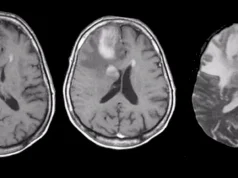
Cancerous – What is Multiple Myeloma? Multiple myeloma is a type of cancer that affects plasma cells, which are a type of white blood cell that produces antibodies to help fight infections. Here are some key points about multiple myeloma:
- It is a relatively rare type of cancer, accounting for about 1% of all cancers and 10% of blood cancers.
- It usually affects older adults, with the average age at diagnosis being 69 years.
- Multiple myeloma can cause a variety of symptoms, including bone pain, fatigue, recurrent infections, weakness, and kidney problems.
- The exact cause of multiple myeloma is unknown, but there are several risk factors that may increase a person’s chance of developing the disease, including age, family history, certain genetic mutations, exposure to radiation or chemicals, and certain medical conditions.
- Diagnosis of multiple myeloma involves a combination of blood and urine tests, imaging studies such as X-rays and MRIs, and bone marrow biopsy to confirm the presence of cancer cells.
- Treatment for multiple myeloma may include chemotherapy, radiation therapy, targeted therapy, immunotherapy, and stem cell transplantation, depending on the stage and severity of the cancer.
Also Read:
Type of Multiple Myeloma
Multiple myeloma is generally classified into two types:
- Solitary plasmacytoma: This is a rare form of multiple myeloma that occurs when there is only one tumor in a single bone or other tissue.
- Multiple myeloma: This is the more common form of multiple myeloma and occurs when there are multiple tumors in multiple bones or other tissues.
Multiple myeloma can also be classified based on the presence of specific genetic mutations or abnormalities, such as translocation of chromosome 14 or deletion of chromosome 17. These mutations may affect the severity of the disease and the effectiveness of certain treatments.
Also Read:
Stage of Multiple Myeloma
Multiple myeloma is typically staged using the International Staging System (ISS), which is based on the levels of certain blood markers and the presence of certain symptoms. The ISS system categorizes multiple myeloma into three stages:
- Stage I: The levels of blood markers (beta-2 microglobulin and albumin) are relatively low, and there are no or few symptoms.
- Stage II: The levels of blood markers are intermediate, and there may be some symptoms such as bone pain, fatigue, or anemia.
- Stage III: The levels of blood markers are high, and there are significant symptoms such as severe bone pain, frequent infections, kidney problems, or anemia.
In addition to the ISS system, other staging systems may also be used to further classify multiple myeloma and guide treatment decisions. These may include imaging studies such as MRI, PET scan, or CT scan, as well as bone marrow biopsy to look for cancer cells in the bone marrow.
Also Read:
What Are the Symptoms of Multiple Myeloma?
The symptoms of multiple myeloma can vary widely depending on the stage and severity of the disease. Some people may have no symptoms at all, while others may experience a range of symptoms such as:
- Bone pain, especially in the back, ribs, or hips
- Fatigue and weakness
- Frequent infections or infections that are difficult to treat
- Anemia (low red blood cell count), which can cause weakness, shortness of breath, and fatigue
- Unexplained weight loss
- Kidney problems, such as decreased kidney function or kidney failure
- Nausea, vomiting, and constipation
- Numbness or weakness in the legs
- Increased thirst and urination
- Increased risk of fractures, especially in the spine or ribs
It is important to note that many of these symptoms can also be caused by other health conditions, and not all people with multiple myeloma will experience all of these symptoms. If you are experiencing any of these symptoms or have concerns about your health, it is important to talk to your doctor for an accurate diagnosis and appropriate treatment.
Also Read:
What Are the Risk Factors for Multiple Myeloma?
The exact cause of multiple myeloma is unknown, but there are certain risk factors that have been identified, including:
- Age: Multiple myeloma is more common in older adults, with the average age of diagnosis being in the mid-60s.
- Gender: Men are slightly more likely to develop multiple myeloma than women.
- Race and ethnicity: African Americans are at a higher risk of developing multiple myeloma than people of other races, and the disease tends to be more aggressive in this population.
- Family history: Having a first-degree relative (parent, sibling, or child) with multiple myeloma increases the risk of developing the disease.
- Certain medical conditions: People with certain medical conditions, such as MGUS (monoclonal gammopathy of undetermined significance), have an increased risk of developing multiple myeloma.
- Exposure to radiation: High levels of exposure to radiation, such as in atomic bomb survivors or people who received radiation therapy for other cancers, may increase the risk of developing multiple myeloma.
- Exposure to certain chemicals: Exposure to certain chemicals, such as pesticides, herbicides, and benzene, may increase the risk of developing multiple myeloma.
It is important to note that having one or more risk factors does not necessarily mean that a person will develop multiple myeloma. Many people with the disease have no known risk factors.
Also Read:
What Can I Do to Reduce My Risk of Multiple Myeloma?
There is no guaranteed way to prevent multiple myeloma, but there are certain lifestyle choices that may help reduce your risk of developing the disease:
- Maintain a healthy weight: Being overweight or obese has been linked to an increased risk of multiple myeloma. Eating a healthy, balanced diet and getting regular exercise can help you maintain a healthy weight.
- Don’t smoke: Smoking has been linked to an increased risk of multiple myeloma, as well as many other types of cancer. If you smoke, quitting can help reduce your risk of multiple myeloma and other health problems.
- Protect yourself from radiation: Exposure to high levels of radiation has been linked to an increased risk of multiple myeloma. If you work in a job that exposes you to radiation, make sure you take proper precautions to protect yourself.
- Avoid exposure to certain chemicals: Exposure to certain chemicals, such as pesticides, herbicides, and benzene, may increase the risk of multiple myeloma. If you work in a job that exposes you to these chemicals, make sure you take proper precautions to protect yourself.
- Get regular check-ups: Regular check-ups with your healthcare provider can help detect multiple myeloma early when it is more treatable. If you have a family history of multiple myeloma or other risk factors, talk to your healthcare provider about whether you need to be screened for the disease.
It is important to note that while these lifestyle choices may help reduce your risk of multiple myeloma, they cannot guarantee that you will not develop the disease.
Also Read:
How Is Multiple Myeloma Diagnosed?
Multiple myeloma is typically diagnosed through a combination of medical history, physical examination, and laboratory tests. Here are some common tests used to diagnose multiple myeloma:
- Blood and urine tests: Blood and urine tests can help detect abnormal proteins produced by myeloma cells. These proteins are called monoclonal proteins or M proteins.
- Bone marrow biopsy: A bone marrow biopsy involves removing a small sample of bone marrow from your hip bone or another large bone. The sample is then examined under a microscope to look for myeloma cells.
- Imaging tests: Imaging tests, such as X-rays, CT scans, MRIs, or PET scans, can help detect bone damage and tumors caused by multiple myeloma.
- Biopsy of a tumor: If a tumor is found, a biopsy may be done to confirm the diagnosis of multiple myeloma and determine the type of myeloma.
- Genetic testing: Genetic testing can help identify certain genetic mutations that may be associated with multiple myeloma.
If multiple myeloma is suspected, your healthcare provider will likely order one or more of these tests to help make a diagnosis.
Also Read:
How Is Myeloma Diagnosed Treated?
The treatment for multiple myeloma depends on several factors, including the stage of the disease, the patient’s age and overall health, and the presence of other medical conditions. Here are some common treatments for multiple myeloma:
- Chemotherapy: Chemotherapy is a common treatment for multiple myeloma. It involves using drugs to kill cancer cells.
- Stem cell transplant: A stem cell transplant may be recommended for younger patients with multiple myeloma. It involves replacing damaged stem cells with healthy ones.
- Targeted therapy: Targeted therapy uses drugs that target specific molecules in myeloma cells to destroy them.
- Radiation therapy: Radiation therapy may be used to treat bone pain caused by multiple myeloma.
- Immunotherapy: Immunotherapy uses drugs to stimulate the immune system to attack myeloma cells.
- Surgery: Surgery may be recommended to remove a tumor or to stabilize a bone that has been weakened by multiple myeloma.
Also Read:
Treatment for multiple myeloma may involve a combination of these therapies. Your healthcare provider will work with you to determine the best treatment plan for your individual needs.