



















Rights and Protections for Employees with Cancer
- Family and Medical Leave Act (FMLA): Entitles eligible employees to up to 12 weeks of unpaid, job-protected leave for serious health conditions, including cancer.
- Americans with Disabilities Act (ADA): Prohibits discrimination based on disability and requires employers to provide reasonable accommodations for employees with disabilities.
- Patient Protection and Affordable Care Act (ACA): Ensures that individuals with pre-existing conditions, including cancer, cannot be denied health insurance coverage.
Workplace Resources

- Employee Assistance Programs (EAPs): Offer confidential counseling, support, and resources for employees facing various life challenges, including cancer.
- Cancer Support Groups: Provide a platform for employees to connect with others going through similar experiences and share information and support.
- Wellness Programs: May include cancer screenings, educational materials, and support for healthy lifestyles, which can complement medical treatment.
Reasonable Accommodations

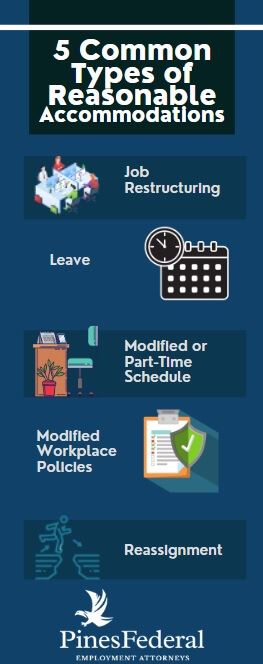
Reasonable accommodations for employees with cancer may include:
- Flexible work schedules: Allowances for doctor’s appointments, treatments, or recovery time.
- Modified work duties: Adjustments to job responsibilities or tasks to minimize physical or cognitive limitations.
- Ergonomic workstations: Modifications to equipment or furniture to improve comfort and productivity.
- Leave of absence: Unpaid time off for extended periods of treatment or recovery.
- Telecommuting: Allowing employees to work from home if their condition permits.
Employer’s Responsibilities
Employers have the following responsibilities regarding employees with cancer:
- Create an inclusive workplace: Ensure a work environment free from stigma or discrimination.
- Communicate effectively: Maintain open and regular communication with employees about their condition and accommodations.
- Provide support: Offer resources and support through EAPs, wellness programs, and other initiatives.
- Accommodate requests: Consider and provide reasonable accommodations to meet the needs of employees with cancer.
- Comply with legal obligations: Adhere to all relevant federal and state laws protecting employees with disabilities and medical conditions.
Tips for Employees
- Communicate your needs: Openly discuss your cancer diagnosis and treatment plan with your employer.
- Request accommodations: Clearly outline the accommodations you need to successfully perform your job.
- Document your communication: Keep a record of conversations and requests with your employer.
- Seek support: Utilize available resources such as EAPs, cancer support groups, and trusted individuals.
- Advocate for yourself: Educate yourself about your rights and be prepared to advocate for your needs if necessary.## Cancer In The Workplace: Rights, Resources, And Accommodations For Employees
Executive Summary
Cancer is a serious illness that can have a significant impact on an employee’s ability to work. Employers have a legal obligation to provide reasonable accommodations for employees with cancer, and employees have rights under the law to protect their jobs and benefits. This article provides an overview of the legal rights and resources available to employees with cancer, as well as tips for creating a supportive workplace environment.
Introduction
Cancer is the second leading cause of death in the United States, and it is estimated that over 1.8 million people will be diagnosed with cancer in 2024. Cancer can affect people of all ages, races, and genders, and it can have a significant impact on an individual’s life, including their ability to work.
FAQ
1. What are my rights as an employee with cancer?
Under the Americans with Disabilities Act (ADA), employers are required to provide reasonable accommodations for employees with disabilities, including cancer. Reasonable accommodations may include flexible work schedules, modified job duties, or providing assistive technology.
2. How do I request an accommodation from my employer?
You should request an accommodation in writing, and you should provide your employer with documentation from your doctor or other healthcare provider that supports your request.
3. What if my employer denies my request for an accommodation?
If your employer denies your request for an accommodation, you can file a complaint with the Equal Employment Opportunity Commission (EEOC).
Subtopics
1. Legal Rights
- The Americans with Disabilities Act (ADA) prohibits employers from discriminating against employees with disabilities, including cancer.
- The ADA requires employers to provide reasonable accommodations for employees with disabilities.
- Employees with cancer have the right to request an accommodation, and they cannot be retaliated against for doing so.
2. Resources
- The Equal Employment Opportunity Commission (EEOC) enforces the ADA and provides resources for employees with disabilities.
- The National Cancer Institute (NCI) provides information and resources for cancer patients and their families.
- The American Cancer Society (ACS) provides support and resources for cancer patients and their families.
3. Accommodations
- Flexible work schedules can allow employees with cancer to attend medical appointments or treatments.
- Modified job duties can reduce the physical or mental demands of a job, making it easier for employees with cancer to continue working.
- Assistive technology can help employees with cancer perform their job duties, such as speech recognition software or ergonomic keyboards.
4. Workplace Culture
- Creating a supportive workplace culture can help employees with cancer feel comfortable and supported.
- Employers should educate their employees about cancer and its impact on employees.
- Employers should provide resources and support for employees with cancer, such as employee assistance programs or peer support groups.
5. Return to Work
- Employees with cancer may need to take time off from work to receive treatment.
- Employers should work with employees to develop a plan for their return to work.
- Employers should provide support and accommodations for employees returning to work after cancer treatment.
Conclusion
Cancer is a serious illness, but it does not have to end your career. With the right legal protections and resources, employees with cancer can continue to work and live full and productive lives. Employers have a legal obligation to provide reasonable accommodations for employees with cancer, and they should also create a supportive workplace culture that welcomes and supports employees with cancer.
Keyword Tags
- Cancer
- Employment
- Americans with Disabilities Act
- Reasonable Accommodations
- Workplace Culture
