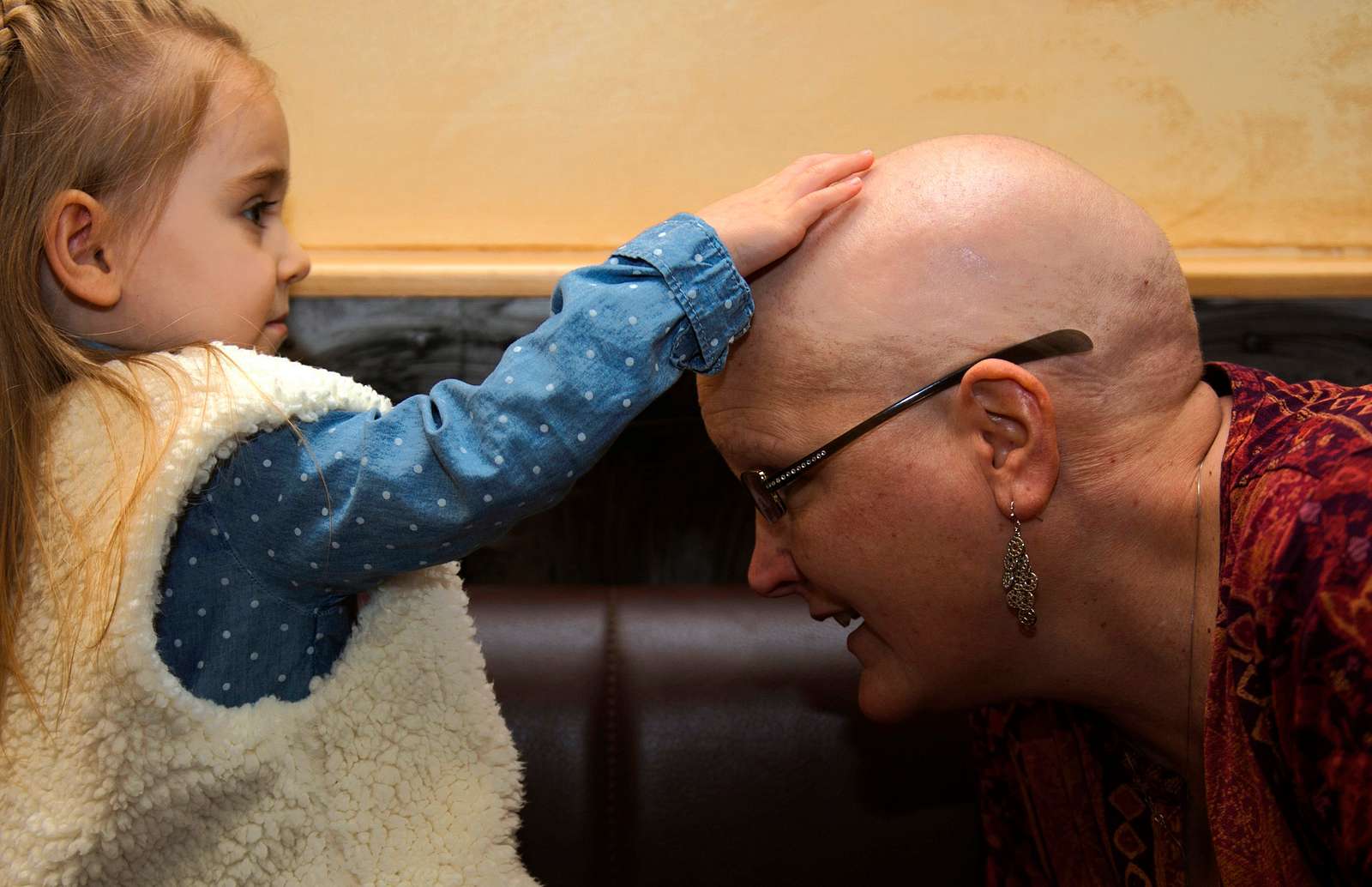
Cancerous – Living with Cancer: Coping Strategies and Support for Patients and Caregivers. Receiving a cancer diagnosis can be overwhelming and distressing for both the patient and their loved ones. The journey of living with cancer involves a lot of emotional, physical, and financial challenges. Coping with these challenges requires a strong support system, self-care practices, and access to professional support.
In this article, we will discuss some of the coping strategies and support systems available for cancer patients and caregivers.
Also Read:
- The Role of Genetics in Cancer: How Inherited Traits Influence Risk
- Understanding Cancer: Causes, Symptoms, and Treatment Options
- What is Sarcoma?
- What is Multiple Myeloma?
- What is Bone Cancer?
Coping Strategies for Patients
- Stay informed: Educate yourself about your diagnosis, treatment options, and side effects. This can help you make informed decisions and feel more in control of your situation.
- Practice self-care: Eat well, get enough rest, and exercise regularly. This can help you feel better physically and mentally.
- Manage stress: Find ways to reduce stress, such as meditation, deep breathing exercises, or yoga.
- Connect with others: Join a support group or talk to friends and family members about your feelings. Social support can help you feel less isolated and provide emotional comfort.
- Focus on the present: Try not to worry about the future or dwell on the past. Instead, focus on living in the moment and finding joy in everyday activities.
Also Read:
- What is Thyroid Cancer?
- What is Stomach Cancer?
- What is Esophageal Cancer?
- What is Liver Cancer?
- What is Brain Cancer?
Coping Strategies for Caregivers
- Take care of yourself: It’s important to prioritize your own physical and mental health. Eat well, get enough rest, and exercise regularly.
- Seek support: Join a caregiver support group or talk to friends and family members about your feelings. You can also seek professional help if needed.
- Learn about the disease: Educate yourself about your loved one’s diagnosis and treatment options. This can help you feel more informed and better able to provide support.
- Communicate openly: Talk to your loved one about their needs and concerns, and be honest about your own feelings and limitations.
- Ask for help: Don’t be afraid to ask friends, family members, or healthcare professionals for help when you need it.
Also Read:
- What is Cervical Cancer?
- What is Ovarian Cancer?
- What is Pancreatic Cancer?
- What is Lymphoma?
- What is Leukemia?
Support Systems for Patients and Caregivers
- Healthcare professionals: Your healthcare team can provide medical and emotional support, as well as connect you with other resources.
- Support groups: Joining a support group can provide a sense of community and emotional comfort.
- Counseling and therapy: Professional counseling can help patients and caregivers manage the emotional challenges of cancer.
- Financial assistance: There are many organizations that provide financial assistance to cancer patients and their families.
- Hospice and palliative care: These services can provide comfort and support for patients and families in the advanced stages of cancer.
Also Read:
- What is Kidney Cancer?
- What is Bladder Cancer?
- What is Skin Cancer?
- What is Colorectal Cancer?
- What is Prostate Cancer?
In conclusion, living with cancer can be a challenging experience, but there are many coping strategies and support systems available to patients and caregivers. By taking care of your physical and emotional needs, connecting with others, and seeking professional help when needed, you can improve your quality of life and find comfort in the midst of a difficult situation.