Cancerous – What is Sarcoma? Sarcoma is a type of cancer that develops in the connective tissues of the body, such as bone, muscle, cartilage, and fat.
Type of Sarcoma
There are many different types of sarcoma, and they are classified based on the type of tissue from which the cancer develops. Some of the most common types of sarcoma include:
- Soft tissue sarcoma
- Bone sarcoma
- Gastrointestinal stromal tumor (GIST)
- Liposarcoma
- Synovial sarcoma
- Leiomyosarcoma
- Osteosarcoma
- Ewing sarcoma
- Chondrosarcoma
- Angiosarcoma.
Also Read:
Stage of Sarcoma
The stage of sarcoma refers to the extent to which the cancer has spread from its original location to other parts of the body. The staging of sarcoma is determined based on factors such as the size and location of the tumor, whether it has spread to nearby lymph nodes, and whether it has metastasized (spread) to other organs in the body.
Sarcoma is typically staged using the TNM system, which stands for Tumor, Node, and Metastasis. The stages of sarcoma are:
- Stage 1: The tumor is small and has not spread to nearby lymph nodes or other parts of the body.
- Stage 2: The tumor is larger and may have spread to nearby lymph nodes, but has not spread to other parts of the body.
- Stage 3: The tumor is large and may have spread to nearby lymph nodes or other parts of the body.
- Stage 4: The cancer has spread to other parts of the body, such as the lungs, liver, or bones.
The specific staging system used for sarcoma can vary depending on the type of sarcoma and other factors. Your doctor will be able to provide more information about the stage of your particular case of sarcoma.
Also Read:
What Are the Symptoms of Sarcoma?
The symptoms of sarcoma can vary depending on the location and stage of the cancer. In the early stages, sarcoma may not cause any noticeable symptoms. As the tumor grows and the cancer progresses, the following symptoms may occur:
- A noticeable lump or mass: This is the most common symptom of sarcoma. The lump may be painless or tender to the touch.
- Pain or discomfort: If the tumor is located near a nerve or muscle, it may cause pain or discomfort in the affected area.
- Limited range of motion: If the tumor is located near a joint, it may restrict movement and cause stiffness.
- Swelling: The affected area may become swollen, especially if the tumor is located in the arms or legs.
- Unexplained weight loss: If the cancer has spread to other parts of the body, it may cause unexplained weight loss.
- Fatigue: Advanced stages of sarcoma may cause fatigue and weakness.
- Fractures: In rare cases, sarcoma can weaken bones and cause them to fracture.
It’s important to note that these symptoms can also be caused by other conditions, and having one or more of these symptoms does not necessarily mean you have sarcoma. If you are experiencing any of these symptoms, it’s important to speak with your doctor for a proper evaluation and diagnosis.
Also Read:
What Are the Risk Factors for Sarcoma?
The exact cause of sarcoma is unknown, but certain risk factors may increase a person’s likelihood of developing the disease. These risk factors include:
- Genetics: Certain genetic syndromes, such as Li-Fraumeni syndrome and neurofibromatosis, can increase the risk of developing sarcoma.
- Exposure to radiation: Previous radiation treatment for another type of cancer may increase the risk of developing sarcoma in the future.
- Chemical exposure: Exposure to certain chemicals, such as vinyl chloride, may increase the risk of developing sarcoma.
- Age: Sarcoma can occur at any age, but it is more commonly diagnosed in adults over the age of 50.
- Gender: Certain types of sarcoma, such as osteosarcoma, are more common in males, while others, such as synovial sarcoma, are more common in females.
- Previous injury: Previous injury to the bone or soft tissue may increase the risk of developing sarcoma in the affected area.
It’s important to note that having one or more of these risk factors does not necessarily mean you will develop sarcoma. Conversely, some people who develop sarcoma may not have any known risk factors. If you are concerned about your risk of developing sarcoma, it’s important to speak with your doctor for guidance and recommendations.
Also Read:
What Can I Do to Reduce My Risk of Sarcoma?
There are no specific ways to prevent sarcoma. However, some general measures that may help reduce the risk of developing sarcoma include:
- Maintaining a healthy lifestyle with regular exercise and a balanced diet
- Protecting your skin from excessive exposure to the sun’s harmful UV rays
- Avoiding exposure to toxic chemicals and radiation, especially in the workplace
- Seeking prompt medical attention if you experience any persistent unexplained lumps or growths, pain, or other unusual symptoms.
It is important to note that some types of sarcoma may not have any identifiable risk factors, and may develop spontaneously without any known cause.
Also Read:
How Is Sarcoma Diagnosed?
The diagnosis of sarcoma often involves several different tests and procedures, including:
- Physical exam: A doctor may perform a physical exam to check for any lumps, swelling, or other abnormalities in the affected area.
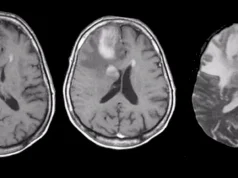
- Imaging tests: These may include X-rays, CT scans, MRI scans, and PET scans to produce detailed images of the body and help identify the location and extent of the tumor.
- Biopsy: A small sample of tissue from the suspected tumor is removed and examined under a microscope by a pathologist to determine if it is cancerous.
- Blood tests: Blood tests may be performed to check for certain markers or proteins that are associated with sarcoma.
Once a diagnosis of sarcoma is confirmed, further testing may be needed to determine the stage of the cancer and whether it has spread to other parts of the body. This may involve additional imaging tests, such as bone scans or ultrasounds, as well as more extensive biopsies or surgical procedures.
Also Read:
How Is Sarcoma Treated?
The treatment of sarcoma depends on several factors, including the type and stage of the cancer, its location, and the patient’s overall health. The most common treatments for sarcoma include:
- Surgery: Surgery is often the first line of treatment for sarcoma, especially if the tumor is localized and has not spread to other parts of the body. The goal of surgery is to remove as much of the tumor as possible while preserving surrounding tissues and organs.
- Radiation therapy: Radiation therapy uses high-energy X-rays or other types of radiation to kill cancer cells and shrink tumors. It is often used in combination with surgery or as the primary treatment for tumors that cannot be removed surgically.
- Chemotherapy: Chemotherapy involves the use of drugs to kill cancer cells. It is often used in combination with other treatments for sarcoma, especially if the cancer has spread to other parts of the body.
- Targeted therapy: Targeted therapy uses drugs or other substances to attack specific proteins or other molecules that are involved in the growth and spread of cancer cells.
- Immunotherapy: Immunotherapy uses the body’s own immune system to fight cancer by stimulating or restoring the immune response against cancer cells.
- Clinical trials: Clinical trials are research studies that test new treatments for cancer. Patients with sarcoma may be eligible to participate in clinical trials to receive novel therapies that are not yet available to the general public.
Also Read:
The choice of treatment for sarcoma depends on several factors, including the type and stage of the cancer, the patient’s overall health, and their preferences and goals for treatment. A multidisciplinary team of doctors and other healthcare professionals, including oncologists, surgeons, and radiation oncologists, will work together to develop a personalized treatment plan for each patient.