Cancer is a complex group of diseases that can affect any part of the body. It is characterized by the uncontrolled growth and spread of abnormal cells that can form tumors or invade nearby tissues and organs. Cancer is a leading cause of death worldwide, accounting for an estimated 9.6 million deaths in 2018 alone. In this dissertation, we will explore the nature of cancer, its causes, and treatment options.
One of the defining characteristics of cancer is its ability to grow and spread throughout the body. This process, known as metastasis, can make cancer very difficult to treat. Cancer cells can spread through the bloodstream or lymphatic system, and once they reach a new location, they can form new tumors. These tumors can then continue to grow and spread, making it challenging to control the disease.
There are many different types of cancer, each with its own unique characteristics and treatment options. Some of the most common types of cancer include breast cancer, lung cancer, prostate cancer, and colon cancer. However, cancer can also affect less common areas of the body, such as the pancreas, liver, or bone marrow.
The causes of cancer are complex and can vary depending on the type of cancer. In some cases, cancer may be caused by genetic mutations that are inherited or occur spontaneously. In other cases, environmental factors such as exposure to tobacco smoke, chemicals, or radiation can increase the risk of developing cancer. Lifestyle factors such as diet, exercise, and alcohol consumption can also play a role in the development of certain types of cancer.
Prevention is an essential aspect of cancer management, and there are several strategies that individuals can adopt to reduce their risk of developing cancer. These strategies include maintaining a healthy diet and exercise routine, avoiding tobacco products, limiting alcohol consumption, and protecting oneself from exposure to environmental toxins and radiation.
Early detection is also crucial in the treatment of cancer. Regular screening tests, such as mammograms or colonoscopies, can help detect cancer at an early stage when it is more treatable. However, not all types of cancer can be detected through screening, and it is important to be aware of the signs and symptoms of cancer.
Treatment options for cancer can vary depending on the type and stage of the disease. Some of the most common treatments include surgery, radiation therapy, chemotherapy, targeted therapy, and immunotherapy. In many cases, a combination of these treatments may be used to effectively manage the disease.
Despite advances in cancer treatment, there are still significant challenges in the management of this disease. One of the most significant challenges is the development of drug resistance, which can make cancer cells resistant to the effects of chemotherapy and other treatments. Researchers are working to develop new and innovative treatments to overcome drug resistance and improve outcomes for patients with cancer.
In conclusion, cancer is a complex and challenging disease that affects millions of people around the world. While prevention and early detection are essential in the management of cancer, there is still much to be learned about the causes and treatment of this disease. With ongoing research and innovation, there is hope for continued progress in the fight against cancer.
The Definition of Cancer
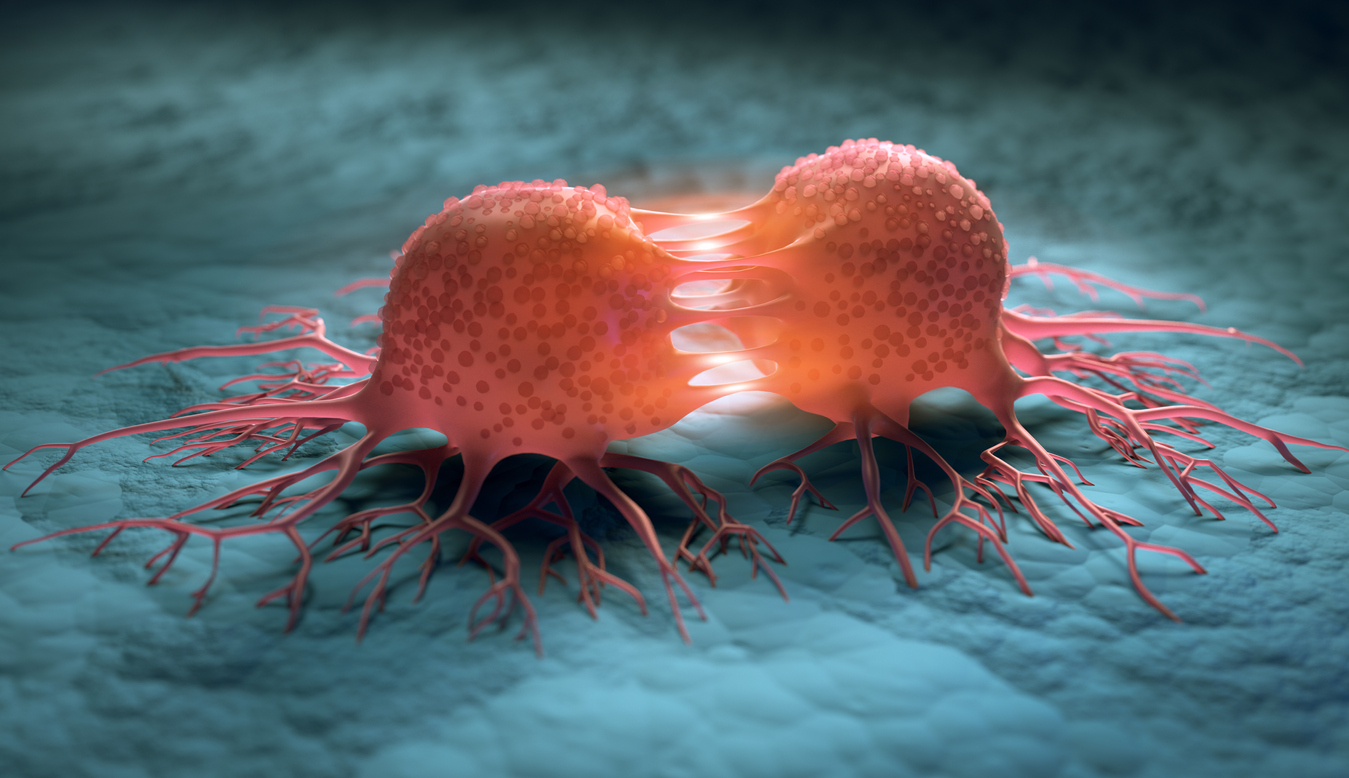
Cancer is a broad term used to describe a group of diseases characterized by the uncontrolled growth and spread of abnormal cells. Normal cells in the body grow and divide in an orderly way to replace old or damaged cells, but cancer cells grow and divide uncontrollably, forming a mass of tissue called a tumor.
Not all tumors are cancerous, however. Tumors that are not cancerous are called benign, while those that are cancerous are called malignant. Malignant tumors have the potential to invade nearby tissues and organs, and may also spread to other parts of the body through the bloodstream or lymphatic system, a process called metastasis.
There are many different types of cancer, each with its own specific characteristics and treatment options. Some common types of cancer include breast cancer, lung cancer, prostate cancer, and colon cancer, among others.
Differences between Cancer Cells and Normal Cells
Cancer cells are different from normal cells in several ways:
- Growth and Division: Normal cells divide and grow in an orderly and controlled way, and stop growing when they come into contact with other cells. Cancer cells, on the other hand, grow and divide uncontrollably, forming a mass of tissue called a tumor.
- Apoptosis: Normal cells undergo a process called apoptosis, or programmed cell death, when they are old or damaged. Cancer cells, however, are often resistant to apoptosis, which allows them to continue growing and dividing uncontrollably.
- Cell Communication: Normal cells communicate with each other through chemical signals to coordinate their growth and division. Cancer cells, on the other hand, can ignore these signals and continue to grow and divide even when they shouldn’t.
- Blood Vessels: Normal cells rely on blood vessels to supply them with oxygen and nutrients. Cancer cells can stimulate the growth of new blood vessels to feed the tumor, a process called angiogenesis.
- DNA Damage: Normal cells have mechanisms to repair DNA damage, which can occur due to environmental factors such as radiation or chemicals. Cancer cells often have mutations that prevent them from repairing DNA damage, which can lead to the accumulation of additional mutations and uncontrolled growth.
Overall, cancer cells have lost many of the normal functions that allow cells to maintain proper growth and division. Instead, they have acquired characteristics that enable them to grow and divide uncontrollably, invade nearby tissues, and spread to other parts of the body.
How Does Cancer Develop?
Cancer is a complex disease that can develop over a long period of time and is often caused by a combination of factors. Here are some of the key steps involved in the development of cancer:
- Initiation: The first step in the development of cancer is the initiation of genetic changes in a normal cell. These changes can be caused by mutations in genes that control cell growth, exposure to environmental factors such as radiation or chemicals, or inherited genetic mutations.
- Promotion: After the initial genetic changes, the next step is promotion, in which the mutated cells are stimulated to grow and divide uncontrollably. This can be triggered by exposure to growth-promoting substances, inflammation, or other factors that encourage cell growth.
- Progression: Over time, the mutated cells continue to grow and divide, and additional genetic changes may accumulate that give them the ability to invade nearby tissues and spread to other parts of the body. This stage is known as progression.
- Metastasis: In the final stage of cancer development, the cancer cells may spread to other parts of the body through the bloodstream or lymphatic system, a process called metastasis.
The development of cancer is a complex and multifactorial process that can be influenced by a variety of factors, including genetics, environmental factors, lifestyle choices, and other factors that can affect cell growth and division. Early detection and treatment of cancer are key to improving outcomes and reducing the risk of metastasis.
Types of Genes that Cause Cancer
There are several types of genes that can contribute to the development of cancer:
- Oncogenes: Oncogenes are genes that have the potential to cause cancer when they are mutated or overexpressed. These genes play a role in cell growth and division, and when they are activated, they can stimulate cells to grow and divide uncontrollably.
- Tumor suppressor genes: Tumor suppressor genes are genes that normally help to prevent cancer by regulating cell growth and division, repairing DNA damage, and promoting apoptosis. When these genes are mutated or lost, cells can grow and divide uncontrollably, leading to the development of cancer.
- DNA repair genes: DNA repair genes are responsible for repairing DNA damage that can occur naturally or as a result of environmental factors such as radiation or chemicals. Mutations in these genes can impair the ability of cells to repair DNA damage, which can lead to the accumulation of additional mutations and the development of cancer.
- Apoptosis genes: Apoptosis genes are involved in programmed cell death, which is a process that normally helps to eliminate cells that are old or damaged. When apoptosis genes are mutated, cells may become resistant to apoptosis, which can allow them to continue growing and dividing uncontrollably and contribute to the development of cancer.
- Epigenetic genes: Epigenetic changes involve alterations to the way that genes are expressed, rather than changes to the genetic code itself. Epigenetic changes can affect the expression of genes that control cell growth and division, and alterations to these genes can contribute to the development of cancer.
Overall, cancer is often caused by a combination of genetic and environmental factors, and mutations in a variety of different genes can contribute to the development of the disease.
When Cancer Spreads
When cancer spreads from its original location to other parts of the body, it is called metastasis. The process of metastasis is complex and involves cancer cells breaking away from the primary tumor, entering the bloodstream or lymphatic system, and traveling to other parts of the body where they can form new tumors.
Metastasis can occur in many different parts of the body, including the bones, liver, lungs, and brain. The symptoms of metastatic cancer depend on where the cancer has spread and can include pain, weakness, difficulty breathing, and neurological symptoms.
Treatment options for metastatic cancer depend on a number of factors, including the type of cancer, the location and extent of the metastases, and the overall health of the patient. Treatment may include surgery to remove the metastases, radiation therapy, chemotherapy, targeted therapy, and immunotherapy.
It is important for individuals with cancer to work closely with their healthcare team to monitor for signs of metastasis and to develop a treatment plan that addresses their specific needs and goals.
Category of Cancer
Cancers can be broadly categorized into the following types:
- Carcinomas: These are the most common type of cancer and arise from the epithelial cells that line the surface of organs and tissues. Examples include breast, lung, prostate, and colorectal cancer.
- Sarcomas: These cancers arise from connective tissues such as bone, muscle, and cartilage. Examples include osteosarcoma, chondrosarcoma, and leiomyosarcoma.
- Leukemias: These cancers arise from blood-forming cells in the bone marrow and result in the overproduction of abnormal white blood cells. Examples include acute lymphoblastic leukemia, chronic lymphocytic leukemia, and acute myeloid leukemia.
- Lymphomas: These cancers arise from lymphocytes, a type of white blood cell, and can affect lymph nodes, bone marrow, and other organs of the lymphatic system. Examples include Hodgkin lymphoma and non-Hodgkin lymphoma.
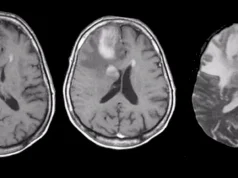
- Central nervous system cancers: These cancers can arise in the brain or spinal cord and can be either primary (arising in the nervous system) or secondary (spreading to the nervous system from another part of the body). Examples include glioblastoma, meningioma, and neuroblastoma.
- Germ cell tumors: These are rare tumors that arise from germ cells, which are the cells that give rise to eggs and sperm. Examples include testicular cancer and ovarian cancer.
- Others: This category includes rare types of cancer such as mesothelioma (cancer of the lining of the lung), pancreatic neuroendocrine tumors, and others.
It’s important to note that cancers can also be classified based on the stage of the disease (how far it has progressed) and the molecular characteristics of the cancer cells (which can guide treatment decisions).
Types of Cancer
Cancer refers to a group of diseases characterized by the uncontrolled growth and spread of abnormal cells. There are many different types of cancer, and they can occur in any part of the body. Here are some of the most common types of cancer:
- Breast cancer
- Lung cancer
- Prostate cancer
- Colorectal cancer
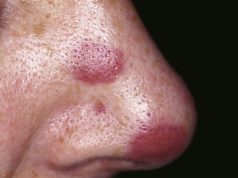
- Skin cancer
- Bladder cancer
- Kidney cancer
- Leukemia
- Lymphoma
- Pancreatic cancer
- Ovarian cancer
- Cervical cancer
- Brain cancer
- Liver cancer
- Esophageal cancer
- Stomach cancer
- Thyroid cancer
- Bone cancer
- Multiple myeloma
- Sarcoma
It’s worth noting that there are many subtypes of cancer within each of these categories and that the treatment and prognosis can vary widely depending on the specific type and stage of the disease.